
Working as an Amazon delivery driver is increasingly popular with those looking for stable work and flexible hours. This guide explores every aspect of the application process to help interested individuals understand this opportunity.
Whether you're seeking a steady income, value the independence of the road, or want a fresh start in logistics, becoming an Amazon driver delivers unique benefits. Here, you'll discover what to expect, requirements, and steps involved.



This article is designed for job seekers, career switchers, and anyone curious about the logistics sector. Ultimately, you’ll find clear, actionable advice supported by official resources to make an informed decision.
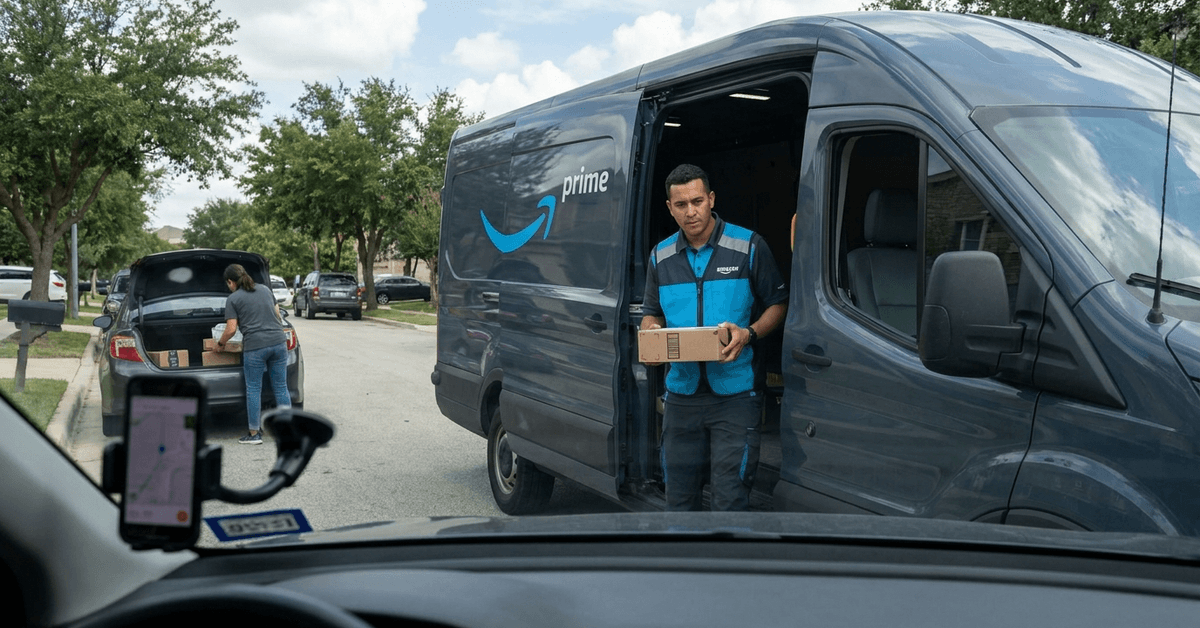
Why Choose a Career as an Amazon Delivery Driver?
The appeal of working as a delivery driver is straightforward. Amazon offers a growing number of positions, with pay rates that compete well in the gig economy. Steady demand and the chance for consistent earnings make it attractive.
Drivers experience the open road, the absence of micromanagement, and the satisfaction of direct, measurable performance. Perhaps not every day is the same; sometimes the work is pleasantly routine, and other times it feels dynamic.
Aside from wages, health benefits and paid time off may be part of the package if working directly for Amazon. Many drivers find this level of security and support reassuring, especially compared to less structured gig jobs.
Understanding Amazon Delivery Driver Options
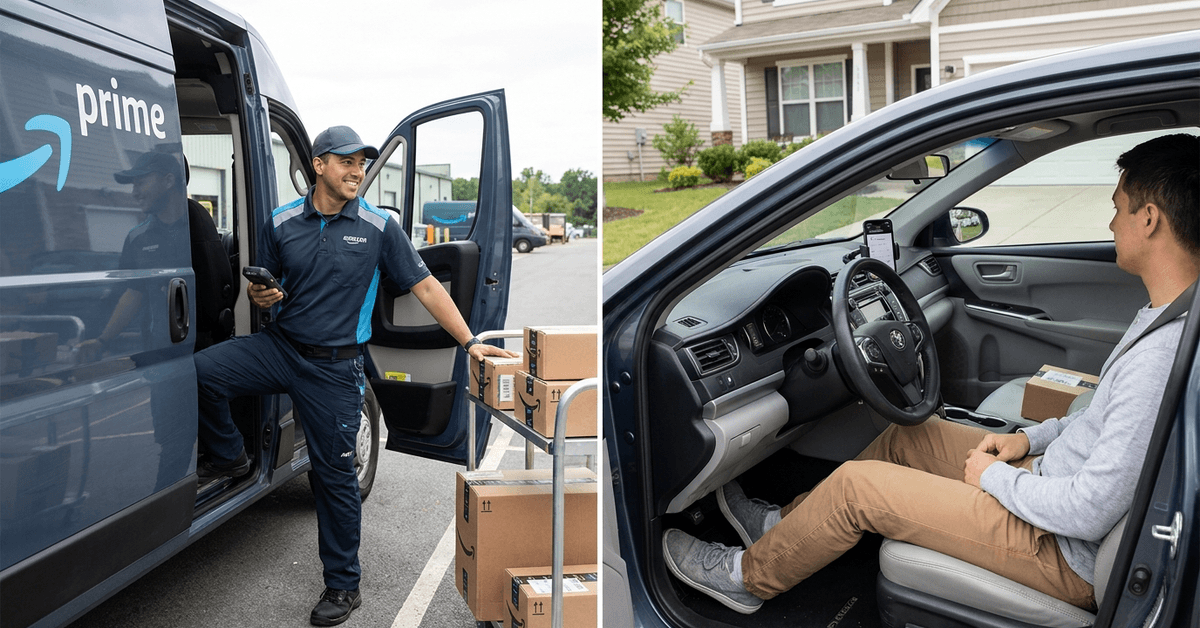
There are two main ways to work as an Amazon delivery driver : joining a Delivery Service Partner (DSP) team or operating as an independent contractor with Amazon Flex. Each path comes with specific requirements and perks.
Delivery Service Partner (DSP) Program
The DSP program connects drivers with third-party companies contracted by Amazon. Drivers in this setup usually enjoy regular schedules and may access full employment benefits depending on the partner.
DSP drivers use standard Amazon-branded vans and work from local stations. Hours can be full-time or part-time. The application process varies but generally includes an interview and background check.
Amazon Flex Independent Contractor
With Amazon Flex, drivers use their own vehicles to deliver parcels. This option offers maximum flexibility over shifts and greater control over work-life balance. Gig workers often favor this route for its convenience.
Flex drivers handle deliveries for Amazon Prime, Fresh, or standard packages. Earnings depend on delivery volume and location, and payments are made quickly via direct deposit.
Basic Requirements for Amazon Delivery Drivers
Amazon has baseline standards for all drivers, regardless of role. Meeting these is essential before beginning any application. Requirements may vary slightly by location or program, but some elements remain constant.
Age and Licensing
Candidates should be at least 21 years old. A valid driver’s license is required—sometimes specifically a state-issued or commercial license, depending on the region and the position sought.
Clean Driving Record
Having a clean driving history matters. While minor infractions might not disqualify an applicant, recent serious offenses could be a concern. Checks are routine, so full disclosure is wise.
Background and Health Checks
Expect a background check for criminal history and, often, a drug screening. Physical requirements also apply; drivers may need to lift packages up to a set weight and demonstrate mobility for walking and carrying items.
The Amazon Delivery Driver Application Process
Applying to become an Amazon delivery driver involves a multistep process. While variations exist, below is a broad outline most applicants can expect when exploring either the DSP or Flex path.
Step 1: Online Application Submission
Start by visiting the official Amazon Jobs portal to locate local delivery openings. Here, applicants complete a web form, submit a resume, and provide contact details.
For Amazon Flex, candidates download the app and sign up directly there. The app will guide you through the application and prompt for necessary documentation.
Step 2: Screening and Interview
For DSP applicants, expect a virtual or phone interview, sometimes followed by an in-person session. Standard questions involve punctuality, problem-solving, and roadway safety mindset.
Amazon Flex candidates may have a simpler process, focusing on identity verification and vehicle clearance. No interviews are necessary, but careful documentation is key.
Step 3: Background and Drug Checks
All applicants undergo a basic background check. The scope varies by role, but typically includes criminal and driving record review, sometimes with a routine drug test. Results can take several days.
Applicants receive updates via email or through the Flex app. Delays are not uncommon, especially during busy hiring periods, but patience pays off. Be prepared to provide extra information if requested.
Step 4: Orientation and Training
Once approved, DSP drivers join an onboarding event that covers safety, customer service, navigation, and specifics of Amazon’s route technology. Training helps prepare you for days on the road.
Flex drivers complete an in-app orientation with instructional videos and process walkthroughs. It reinforces expectations and best practices for efficient and respectful deliveries.
What to Expect on the Job
The day-to-day routine varies in intensity and structure. DSP drivers report each morning to the local site, collect their van and packages, then depart on a pre-determined route, usually using GPS optimization tools provided by Amazon.
Flex drivers begin shifts by choosing available delivery blocks in the app. Routes, stops, and package volume can differ daily. Unexpected events occasionally happen—traffic jams, wrong addresses, or last-minute changes require flexibility.
Both types of drivers need keen attention to prompt deliveries and accurate tracking. Regular communication with supervisors or Amazon support is part of the experience, though direct oversight is minimal compared to traditional employment settings.
Pay and Benefits for Amazon Delivery Drivers
The earning potential depends on role and location. DSP employees usually receive an hourly rate along with possible overtime, paid time off, and healthcare if offered by the partner company. Seasonal increases for peak months may be available.
Amazon Flex drivers are typically paid per delivery block. Actual earnings can fluctuate depending on region, delivery type, and local competition among drivers. Frequent payouts and clear tracking make the process transparent, though some unpredictability remains.
Overall, thousands of people have found the job sustainable and the compensation worthwhile, especially when factoring in potential performance bonuses or tips. However, costs like car maintenance for Flex drivers should be considered.
Tips for a Successful Application
Candidates stand out by highlighting their safe driving record, punctuality, and prior customer-facing experience. It helps to tailor your resume, emphasizing logistics, teamwork, or roles involving responsibility and reliability.
Be honest about availability and physical fitness. Providing complete, accurate information during your application—without exaggeration—demonstrates professionalism. Read all application details carefully for each program type.
Legal and Tax Considerations for Amazon Drivers
DSP employees receive regular wage statements and tax documents; taxes are typically withheld by the partner. Flex drivers operate as independent contractors, so they're responsible for their own tax filings and potentially quarterly estimated payments.
Maintaining a mileage log, tracking fuel expenses, and consulting with tax professionals can be helpful for Flex drivers. If insurance or additional vehicle registration is required, plan ahead to avoid any surprises.
There are also legal limits on driving hours and rest periods, depending on state or country laws. These rules are in place to make sure drivers remain safe and alert on every shift.
Where to Learn More
Applicants seeking detailed job descriptions and updates may refer to Amazon Flex official for gig driver opportunities, or review company news via trusted logistics industry websites and forums.
It’s wise to check each region’s specific requirements before beginning, as rules can change without notice. Guidance is often available from local employment offices or by contacting Amazon directly for the latest, most reliable data.
Conclusion: Is Driving for Amazon Right for You?
Deciding to pursue a career as an Amazon delivery driver isn't a decision everyone will approach the same way. Some may crave the daily movement and see it as a path to reliable income. Others, perhaps, will weigh personal scheduling needs and the autonomy on offer.
What stands out most is the accessibility of the role—a clear process, reasonable requirements, and the direct impact made on customers’ experiences. If the idea of a structured yet flexible position appeals to you, exploring Amazon's delivery driver roles can be a practical next step.
Opportunities exist for both the risk-averse and those who prefer control over their workday. All things considered, Amazon driving jobs continue to attract interest with a fair blend of predictability and day-to-day variation. This career path may not fit every lifestyle, but for many, it has proven both rewarding and sustainable over time.