
You've seen the blue Amazon vans everywhere. Maybe you've even thought, "I could do that." And honestly? Depending on which route you take, you might love it or quietly resent it by week three.
The two options, Amazon Flex and Delivery Service Partner jobs, look similar from the outside. They're not. The gap between them matters more than any job listing will tell you.



I think the confusion between Flex and DSP is where most new drivers waste their first two weeks. This article is for you if you're deciding which one fits your life, not just looking for a vague list of "benefits."
Amazon Flex vs. DSP: Two Very Different Jobs Under One Logo
Amazon's delivery network runs on two separate models. Flex lets you work as an independent contractor using your own car. DSP hires you as an actual employee through a third-party delivery company that contracts with Amazon.
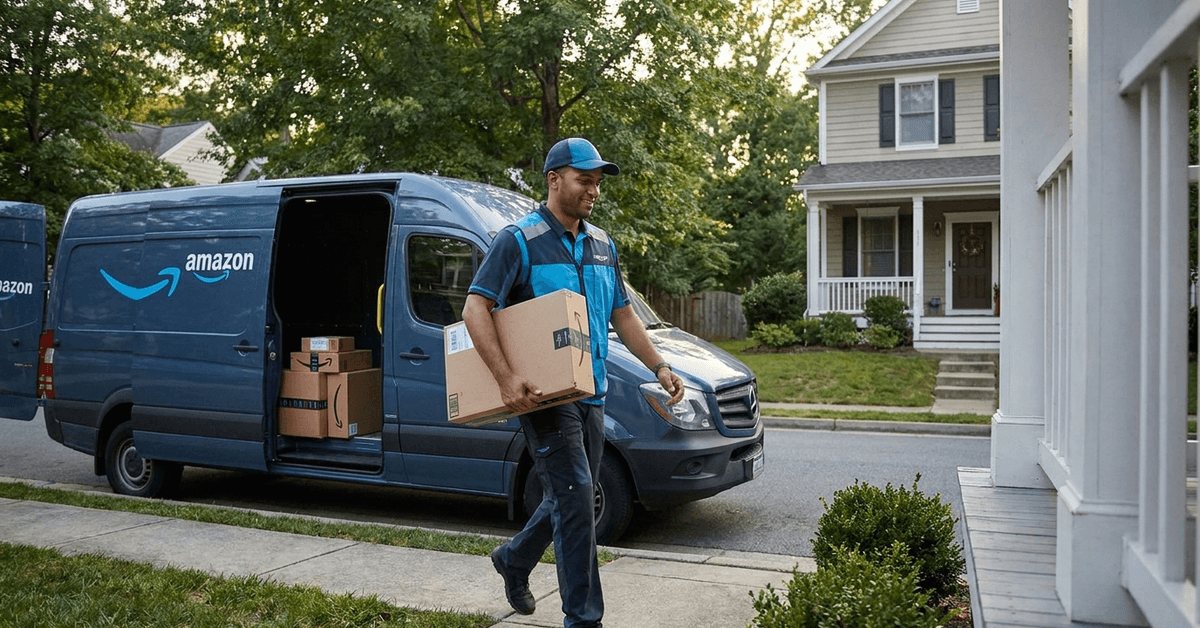
The distinction isn't cosmetic. It changes your taxes, your schedule, your vehicle costs, and who you call when something goes wrong.
What Working Flex Actually Looks Like Day to Day
Flex drivers pick up delivery "blocks" through the Amazon Flex app. A block is a scheduled time window, typically two to four hours, where you pick up packages from a delivery station and drop them off on a set route.
Pay reportedly ranges between $18 and $25 per hour, but that number doesn't tell the full story. Flex drivers pay for their own fuel, handle their own car maintenance, and often find that a fast route pays better per hour than a slow suburban one.
The Scheduling Freedom Is Real, But So Are the Tradeoffs
Flex genuinely lets you work when you want. That works well for students, parents juggling childcare, or anyone running a side hustle around a main job. You grab blocks when they're available, not when a manager tells you to show up.
The catch: blocks disappear fast in competitive markets. Some drivers report refreshing the app at odd hours just to grab a decent time slot. The flexibility is real, but it comes with a constant low-level hustle to secure good shifts.
Your Car Is Your Business Partner (Like It or Not)
For Flex, your vehicle has to be big enough to hold a full load, typically a large sedan, SUV, or van. Compact cars sometimes work for lighter routes, but you'll face days when the station loads you up with awkward boxes that barely fit.
More importantly, personal auto insurance usually won't cover you for commercial delivery work. You'll likely need a separate rider or a commercial policy. That's a real cost that gets underestimated when people run the math on whether Flex is worth it.
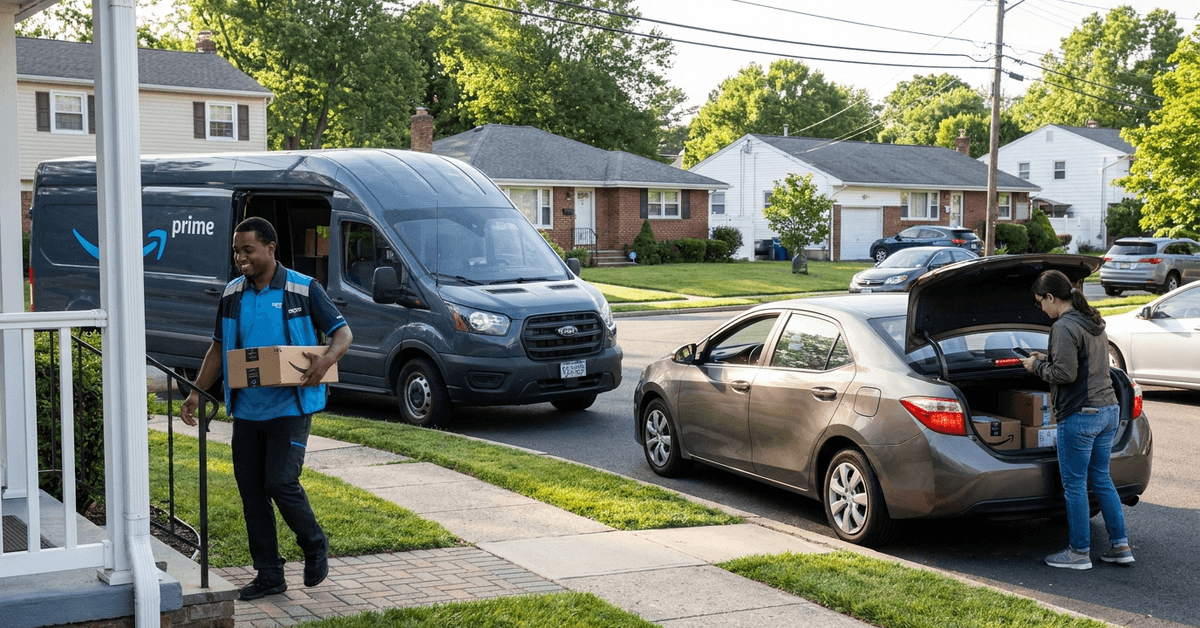
DSP Jobs: Steadier, But You Give Up the Freedom
DSP drivers work for independent delivery companies that run exclusively Amazon routes. Amazon supplies the vans, the routes, and the packages. The DSP company handles hiring, scheduling, and payroll.
This setup means you're an actual W-2 employee, not a contractor. Taxes get withheld automatically. You don't worry about fuel costs or vehicle wear. A uniform gets handed to you on day one.
What the Schedule Looks Like
DSP roles run on fixed shifts, usually early morning starts. Routes are pre-loaded and assigned. You don't get to pick your blocks or adjust your hours week to week the way Flex drivers can.
For people who want predictability, that's a feature. For people who took this job specifically for flexibility, it's frustrating to discover after the fact.
The Physical Reality Nobody Budgets For
Both Flex and DSP drivers lift packages up to 50 pounds and walk far more than a desk job. On a busy day, a driver might complete over 150 stops. That's not a number you can ignore if you have a bad back or knee issues.
I was surprised that DSP listings sometimes understate the physical load. The job description says "may lift up to 50 pounds." The actual day says that more often than "may."
Flex vs. DSP: Side-by-Side Comparison
| Factor | Amazon Flex | DSP Driver |
|---|---|---|
| Employment type | Independent contractor | W-2 employee |
| Vehicle | Your own | Company van provided |
| Schedule | Self-selected blocks | Fixed shifts assigned |
| Pay range | ~$18-$25/hr (before expenses) | Varies by DSP company |
| Tax handling | Self-reported (1099) | Withheld by employer |
| Insurance responsibility | Driver's own | Covered by company |
| Advancement potential | Limited | Lead/supervisor roles possible |
The table makes clear that neither option is flat-out better. Flex pays more per hour on paper but hides costs that DSP covers automatically.
The Tax Side That New Flex Drivers Usually Ignore Until April
Flex drivers are independent contractors, which means no taxes get withheld from your earnings. If you don't set aside roughly 25-30% of each payment for self-employment taxes, the bill in April will hurt.
Mileage tracking is your best defense. The IRS mileage deduction rate changes annually, and for 2026, checking the current IRS mileage rate before tax season is worth a few minutes of your time.
A mileage app running in the background while you work can save you hundreds of dollars at tax time. Flex drivers who skip this step frequently end the year having earned less than they calculated.
Flex Insurance Specifically Can Catch You Off Guard
Standard personal auto insurance policies typically exclude commercial delivery work.
Amazon does offer some liability coverage through its insurance program for Flex drivers while a delivery is active, but the gaps around what's covered between stops or during personal driving still depend on your own policy.
Get this figured out before your first delivery, not after an incident.
Daily Habits That Separate Good Drivers From Frustrated Ones
Active drivers consistently point to a few habits that make routes run better:
- Load packages in delivery order before leaving the station, not in the order they were stacked
- Keep water and snacks in the car; skipping meals on a six-hour route is a stamina problem, not a discipline one
- Photograph tricky drop-off spots on the first visit so you're not guessing on the second
- Track every mile and every fuel purchase from day one, especially on Flex
- Dress for the weather in layers; warehouses run cold, routes run warm
Route optimization is one area where Amazon's app does solid work. The app sets the stop order, and fighting it usually costs more time than it saves.
That said, drivers who know a neighborhood well sometimes adjust sequencing slightly for traffic patterns the app doesn't catch.
My Contrarian Take on the "Flexibility" Selling Point
The number one reason people choose Amazon Flex over DSP is scheduling freedom. I think that pitch is oversold for anyone relying on this as a primary income source.
Blocks in high-demand markets routinely disappear within minutes of becoming available on the app.
Drivers report checking the app multiple times a day just to secure a reasonable number of hours. That's not flexible scheduling. That's reactive scheduling, which is a different thing entirely.
For a true side income around a stable main job, Flex flexibility is real and useful. For someone who needs 30+ hours a week of consistent work, DSP's fixed schedule is the more practical option, even if it feels less exciting on paper.
Amazon Flex's official program page lays out the basic structure, but the forum threads from active drivers tell a more complete story about block availability in different markets.
Career Growth: Is There Actually a Path Here?
Flex has limited upward mobility. You're a contractor picking up blocks. There's no supervisor role waiting.
DSP jobs sometimes lead somewhere. Some DSP companies promote experienced drivers into lead roles or operations positions.
It's not a corporate ladder, but it's a ladder. Drivers who show reliability and route efficiency do get noticed at smaller DSP operations.
For anyone treating this as a career step rather than a side hustle, DSP is the clearer path for growth, even with the reduced flexibility.
Questions People Ask About Amazon Delivery Driver Jobs
Q: Can I do Amazon Flex with a small car? Compact cars sometimes work for lighter routes, but most stations load Flex drivers with enough packages that a sedan or SUV handles the job more comfortably. On high-volume days, a small car can become a real logistical problem mid-route.
Q: Do DSP drivers get benefits like health insurance? Benefits vary by DSP company. Some offer health insurance, paid time off, and other employee benefits. Others offer the minimum required. Ask the specific DSP company during hiring, not Amazon directly, since Amazon does not employ DSP drivers.
Q: How long does the background check take for Amazon Flex? Background checks typically take a few days to a couple of weeks. Incomplete driving records or certain types of prior charges can delay or stop approval. The process runs through a third-party screening company, not Amazon's HR team.
Q: Is Amazon Flex worth it after fuel costs? At $18-$25 per hour before expenses, Flex can still be worthwhile in areas with dense, efficient routes. Suburban routes with long distances between stops eat into that number fast. Tracking your actual per-hour rate after fuel and wear costs for the first two weeks gives you a real answer for your specific market.
Q: Can Amazon Flex drivers work in multiple cities? Flex drivers can sign up for delivery stations in different markets, which makes the program workable for people who travel or relocate. Availability of blocks still depends on demand in each specific area.
Conclusion
Amazon delivery driver jobs pay real money for real work, and knowing which model fits your life saves frustrating weeks of trial and error. Flex suits people who can hustle for blocks and manage their own costs without stressing about it.
DSP suits people who want reliable hours and a van already waiting for them. The choice is less about which option looks better and more about which one matches how you already live.