
Walmart Spark Delivery offers many people an efficient way to earn income using their vehicle. Curious about how it works and if it's worth exploring? This guide unpacks every detail.
Anyone looking for a flexible, accessible way to make money—students, part-timers, or those seeking a side gig—could find Walmart Spark appealing. With demand for grocery delivery on the rise, interest keeps growing.



What’s interesting is you can start almost immediately, enjoying full control over your work schedule. The process tends to be simple, though not everyone discusses the finer points right away.
What Is Walmart Spark Delivery?
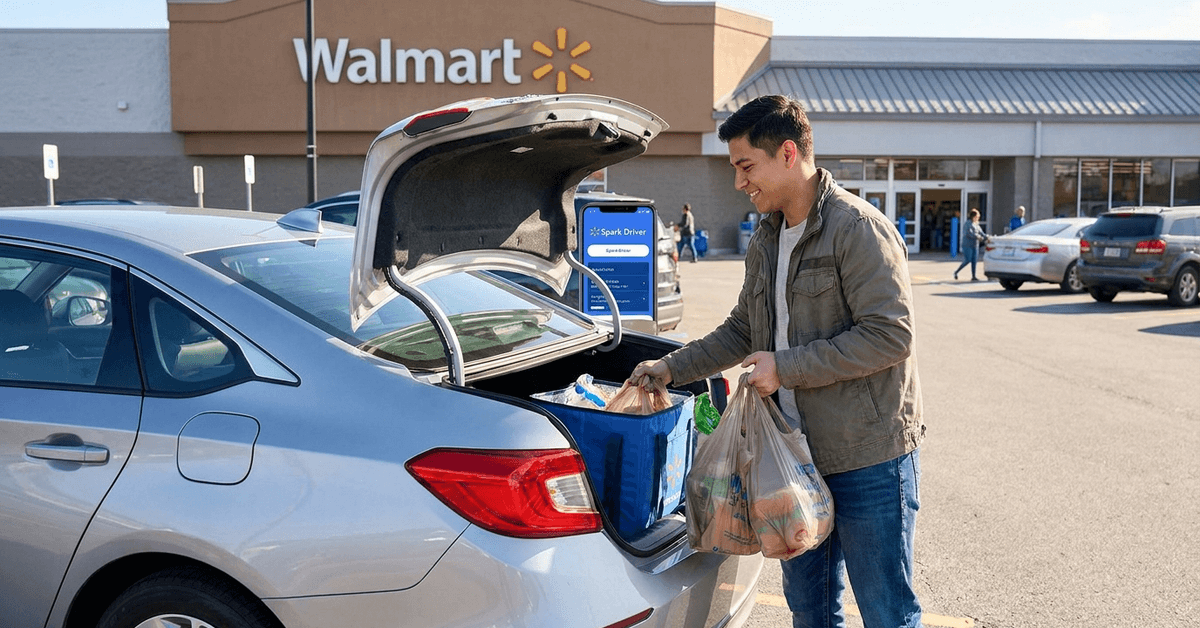
Walmart Spark Delivery is a platform that connects independent drivers with delivery orders from Walmart stores. The platform allows people to accept and deliver orders through a smartphone app.
Drivers, sometimes called “Spark Drivers,” help Walmart fulfill higher customer demand by delivering groceries, everyday essentials, and small items. The work is on-demand, meaning drivers choose when to log in and accept deliveries.
Essentially, it’s Walmart’s answer to the gig economy shift, similar to services like DoorDash or Instacart, but with a unique link to Walmart’s national customer base. Opportunities exist in thousands of locations across the U.S.
How Does Walmart Spark Delivery Work?
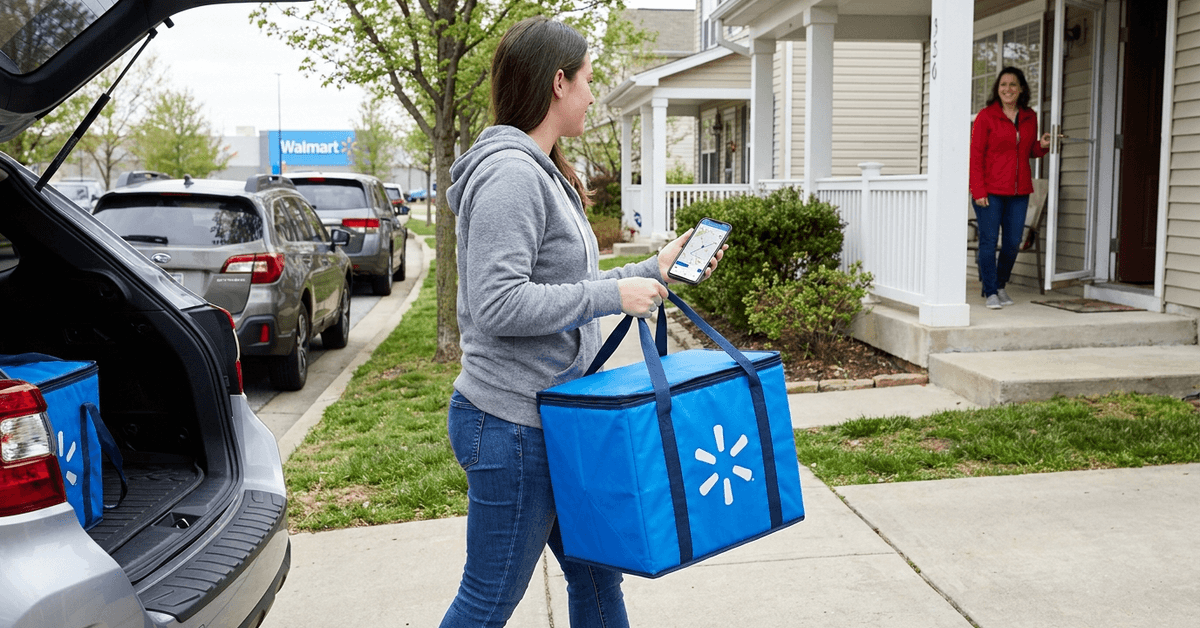
The Walmart Spark Driver app is the core tool for anyone interested in joining. Through the app, users receive order requests, view delivery details, and navigate to customers’ addresses.
Availability of deliveries depends on current demand and your proximity to Walmart stores in your city. Drivers often see both standard deliveries and “Express,” which pay more but require quicker completion.
Deliveries may be curbside pickups, where associates load your car, or “Dotcom” orders from warehouses. The order types offered usually depend on location and store volumes, which can shift seasonally as well.
Requirements for Spark Delivery Drivers
Getting started with Walmart Spark Driver doesn’t require extensive qualifications. Key requirements include being at least 18 years old and having a valid U.S. driver’s license.
A reliable vehicle is also a must—any standard car, SUV, or truck typically qualifies. Proof of insurance, a clean driving record, and successful background screening are part of the onboarding.
Additionally, access to a smartphone (iOS or Android) is necessary. Some users mention that smaller, fuel-efficient cars help keep costs low, but even larger vehicles are accepted if they’re in good working condition.
Signing Up for Walmart Spark Delivery
The sign-up process involves visiting the official Walmart Spark Driver website and completing an application. Information about your vehicle, driver’s license, and insurance will be required.
After submitting, background and driving record checks are performed through third-party partners like Checkr. Processing time can range from a few days to a couple of weeks, depending on factors like location and application volume.
Once approved, new drivers download the Spark Driver app, where they can begin seeing available delivery offers. Occasionally, applicants may be waitlisted in busy markets, but updates are sent via email or push notification.
Understanding Spark Delivery Orders
The Spark Driver app will notify drivers of new opportunities throughout the day. Each order displays estimated pay, distance, and total items to deliver, allowing for easy decisions.
Most orders are set for same-day or next-day delivery. Special “Express” offers may come with added urgency and bonus pay, though they can be more demanding. Each order is voluntary—there’s no obligation to accept a certain number.
Some drivers hold out for higher-paying orders, but this can be a gamble during slow periods. Balancing efficiency and payout is part of the experience, and strategies will differ across cities and seasons.
How Much Can You Earn with Walmart Spark Delivery?
Earnings are based on order type, route distance, and local demand. Many drivers report base rates between $10 and $20 per delivery, with “Express” or larger loads sometimes surpassing that.
Tips are fully allowed and paid directly to drivers through the app. While not every customer leaves a tip, many do for prompt or careful service, which can boost overall earnings significantly.
Average hourly income for drivers tends to range from $15 to $25, though results can vary. Things like fuel costs, wait times, and competition for orders also impact take-home pay. It’s not always easy to predict these.
Payout Schedule and Payment Process
Drivers for Walmart Spark Delivery are paid weekly, usually via direct deposit. All payments, including tips, often arrive on a fixed day each week, though banking timelines can cause slight delays occasionally.
Some users suggest transferring funds to a fee-free checking account to avoid payment issues, though most major U.S. banks are supported. There are no payroll taxes withheld—so taxes are the driver’s responsibility.
Comparing Walmart Spark to Other Delivery Gigs
Walmart Spark is sometimes compared to services like Uber Eats, DoorDash, and Instacart. The main difference lies in Spark’s Walmart-owned network and its heavy focus on groceries.
Compared to food-only apps, Spark often sees bigger, less frequent orders but with higher average payouts. Some prefer the consistency and volume of Walmart deliveries, while others appreciate the variety on other platforms.
Signing up for Spark does not limit drivers from working with other platforms. Many people register for multiple apps, increasing their chances to maximize daily income, though juggling several apps can take getting used to.
Tips to Boost Your Spark Earnings
Time of day and day of week can make a big difference. Weekend mornings and early evenings are peak times for grocery orders. Some drivers see better rates right before holidays or the start of the month.
Accepting “batch” or multiple-stop orders can reduce mileage between drops, sometimes increasing earnings per trip. However, batching isn’t always available and can increase in-car item count significantly.
Communicating politely with customers while updating them about delays can improve tip chances. Reliability and good attitude matter—small gestures, like sending an “On my way” text, rarely go unnoticed.
Legal and Tax Considerations for Spark Drivers
All Spark drivers are independent contractors. This means drivers must track their own mileage, expenses, and earnings throughout the year for tax reporting.
It helps to use simple spreadsheet tools or mileage-tracking apps for deductions. Most drivers receive a 1099 form at the end of the year if their annual income exceeds $600, as per IRS guidelines.
Car insurance should be reviewed, as business use often requires extra coverage. Every driver’s situation is different, so a conversation with a licensed insurance agent is often a wise step.
For official guidance, the IRS Self-Employed Tax Center is a solid resource for gig workers, clarifying necessary filings and deductions.
Frequently Asked Questions About Walmart Spark Delivery
Is Walmart Spark available in every city?
Spark operates in thousands of locations, but not everywhere yet. Availability depends on local Walmart store participation and regional demand.
How are customer tips handled?
Customers can tip through the Walmart app or website, and drivers receive the entire tip amount with their scheduled payment. Cash tips are rare but allowed if a customer offers.
Can I schedule my own hours?
Yes, the app provides almost complete flexibility. Drivers decide when to log in and which orders to accept, with no set shifts or minimums required.
Final Thoughts: Is Walmart Spark Delivery Worth Exploring?
The question of whether Walmart Spark Delivery fits your lifestyle isn’t always so clear-cut. Some drivers find it offers consistent work and fair pay, while others bump into slow periods or high competition in certain markets.
If you prefer flexibility and don’t mind variable income, the platform is an interesting part of the broader gig economy. There’s potential to learn new routes, interact with people, and discover ways to maximize returns as you go.
Overall, the best approach might be simply to try it out alongside other options, measuring how it compares in your specific area. The journey is slightly different for everyone, but starting is more accessible than ever.