
Starting an online business doesn’t have to cost a lot. With a small budget, you can begin selling products or services from home.
This guide will show practical, low-investment ideas to help you launch and grow online.



Key Considerations Before Choosing a Product
Before you start selling anything online, evaluating a few key factors is essential.
These will help you avoid costly mistakes and choose a product that’s both affordable and likely to sell. Here’s what to consider:
- Startup Budget: Stick to low-cost items that don’t require large upfront purchases or special equipment.
- Market Demand: Use tools like Google Trends, Amazon Best Sellers, or Etsy search to confirm people are actively looking for the product.
- Shipping & Storage: Choose items that are small, light, and easy to store or ship to reduce logistics costs.
- Competition: Research how crowded the market is—avoid saturated niches unless you offer a clear point of difference.
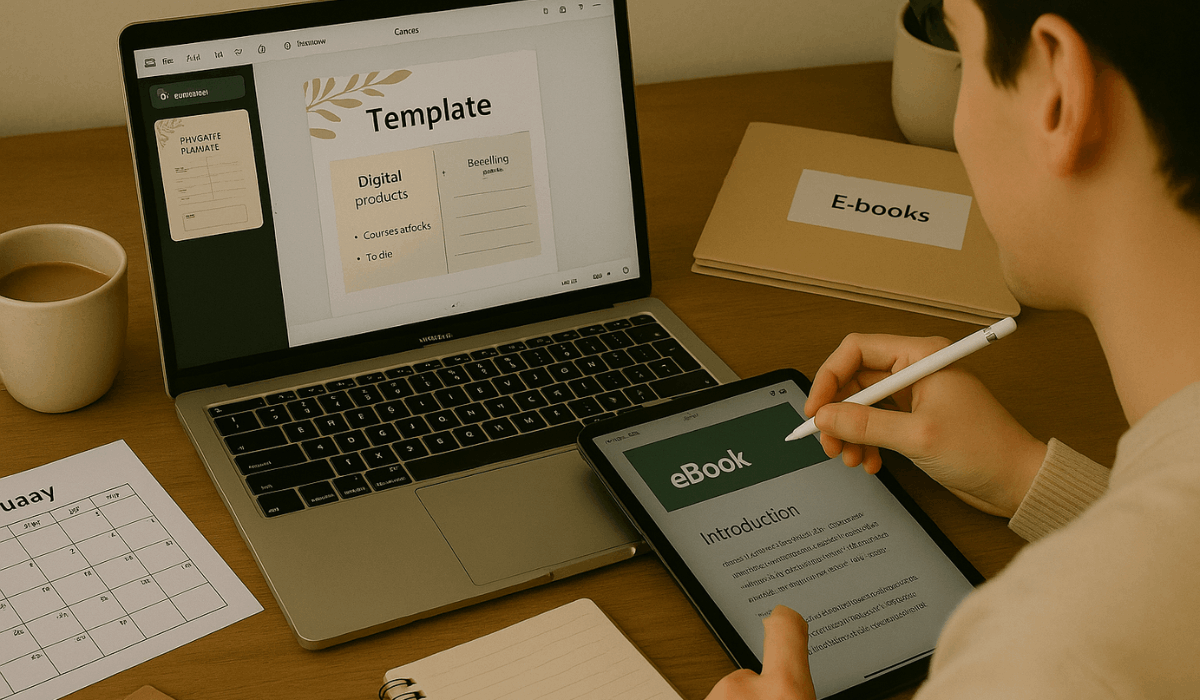
Digital Products (No Inventory Needed)
If you want to keep costs low and avoid shipping altogether, digital products are a great option.
You create them once and sell them repeatedly without holding any stock. Here are some ideas you can start with:
- E-books – Share your knowledge on a topic you know well.
- Templates – Design planners, resumes, social media kits, or business tools.
- Online Courses – Teach language, coding, fitness, or design skills.
- Stock Photos – Sell high-quality images for websites, blogs, or ads.
- Printables – Calendars, worksheets, checklists, or coloring pages.
Handmade or Craft Items
If you're creative and enjoy making things by hand, selling crafts online can be a rewarding and low-cost way to start a business.
You can begin with simple materials and scale up as demand grows. Here are some popular handmade product ideas:
- Jewelry – Necklaces, bracelets, and earrings using beads, wire, or resin.
- Candles – Scented, decorative, or custom candles in small batches.
- Art Prints – Digital or physical prints of your original artwork.
- Soap & Bath Products – Handmade soap bars, bath bombs, or scrubs.
- Crochet or Knitted Items – Hats, bags, coasters, or stuffed toys.
Where to sell: Etsy, Facebook Marketplace, or a Shopify store.
Print-on-Demand Products
Print-on-demand is a great way to sell custom products without managing inventory.
You design the item, and a third-party service prints and ships it only after a sale is made.
This keeps your upfront costs low and operations simple. Here are some ideas to explore:
- T-shirts – Add slogans, artwork, or niche designs.
- Mugs – Personalized messages or graphics for specific audiences.
- Phone Cases – Stylish or themed cases for popular phone models.
- Tote Bags – Eco-friendly bags with unique prints or messages.
- Hoodies – Custom apparel with higher perceived value.
Tools and platforms to use: Canva for free designs and services like Printful, Printify, or Redbubble to fulfill orders.
Dropshipping Products
Dropshipping lets you sell products online without ever handling them yourself.
When someone buys from your store, the supplier ships the product directly to the customer.
It’s a simple way to start an e-commerce business with minimal investment. Here are common dropshipping product ideas:
- Phone Accessories – Cases, chargers, and stands are always in demand.
- Home Gadgets – LED lights, kitchen tools, or organizers with trending appeal.
- Pet Supplies – Toys, collars, feeders, and grooming tools.
- Fitness Gear – Resistance bands, water bottles, or smartwatches.
- Beauty Tools – Facial rollers, brushes, and compact mirrors.
Where to sell: Shopify integrated with Oberlo, Spocket, or AliExpress dropshipping plugins.
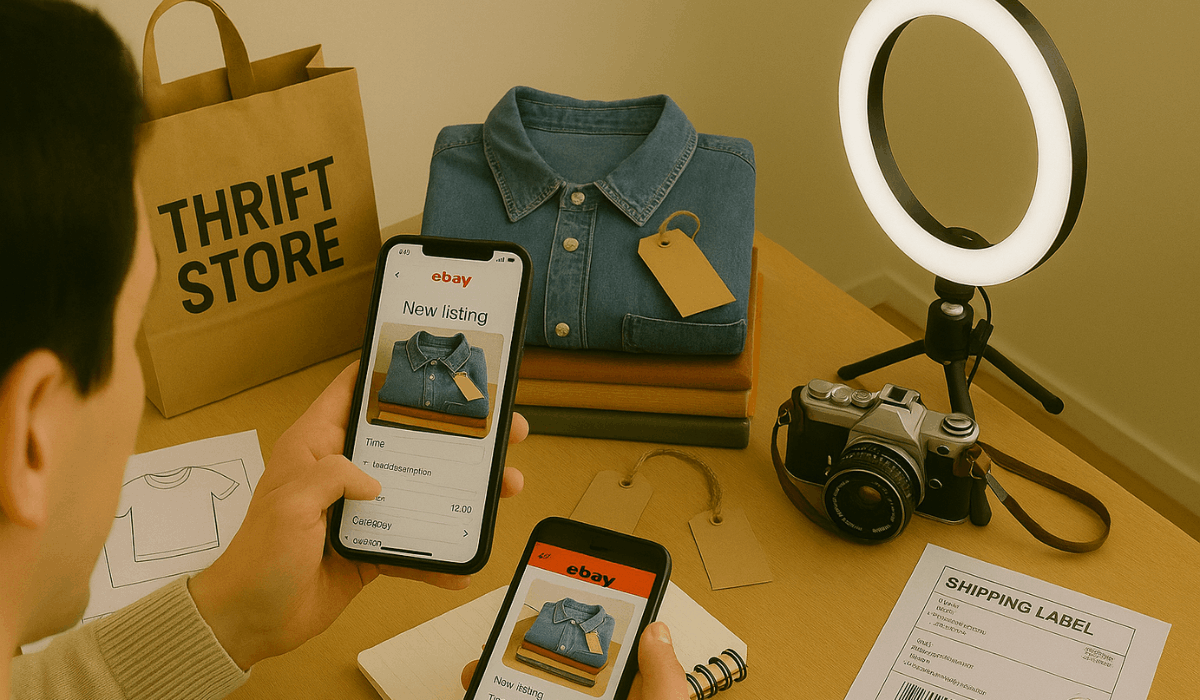
Reselling or Flipping Items
Reselling or flipping involves buying items at a low price and selling them for a profit.
It’s a flexible and low-risk way to start, mainly if you source products locally or secondhand. Here are items you can easily flip online:
- Thrifted Clothing – Vintage or branded clothes from thrift stores or clearance racks.
- Secondhand Books – Popular novels, textbooks, or rare editions with resale value.
- Electronics – Used phones, cameras, or gaming consoles in good condition.
- Toys and Collectibles – Action figures, trading cards, or limited-edition items.
- Furniture or Decor – You can clean, repaint, or refresh small pieces.
Where to sell: eBay, Depop, Facebook Marketplace, Poshmark, or Amazon.
Affiliate Marketing (Sell Without Owning Products)
Affiliate marketing is a simple way to earn money online by promoting products you don’t own.
You share a special link, and when someone buys through it, you earn a commission.
It’s low-cost, beginner-friendly, and works well with content creation. Here’s how you can get started:
- Tech Gadgets – Promote phones, laptops, or accessories through review blogs or videos.
- Beauty Products – Share skincare or makeup recommendations on social media.
- Online Tools – Suggest software, hosting services, or apps to your audience.
- Fitness Programs – Promote workout plans, supplements, or gear.
- Books or Courses – Earn from referrals to educational content.
Where to join: Amazon Associates, ClickBank, ShareASale, Rakuten, or brand-specific affiliate programs.
Low-Cost Beauty or Self-Care Products
Selling beauty or self-care products is a great way to tap into a high-demand market with small upfront costs.
You can start by making simple items at home or sourcing affordable supplies to create private-label goods. Here are some popular options to consider:
- Lip Balms – Easy to make in batches using natural ingredients.
- Bath Bombs – Trendy and customizable with scents, colors, and shapes.
- Facial Oils or Serums – Simple blends with natural oils and essential oils.
- Soaps – Handmade bars with unique scents, designs, or ingredients.
- Body Scrubs – Sugar or salt-based scrubs with skin-friendly oils.
Where to sell: Etsy, Instagram, local markets, or your branded Shopify store.
Final Tips to Succeed
Starting with a low investment is smart, but success depends on how you plan and grow.
Focus on testing ideas, staying visible online, and working efficiently. Here are some tips to keep you on track:
- Start Small and Test – Launch with a few products, then expand based on what sells.
- Use Social Media – Promote your products on TikTok, Instagram, or Pinterest for free reach.
- Automate What You Can – Use tools like Canva, Mailchimp, or scheduling apps to save time.
- Track What Works – Pay attention to sales data and customer feedback to adjust quickly.
- Keep Learning – Stay updated with trends, platforms, and marketing tactics to stay ahead.
To Conclude
Starting an online business with low investment is more achievable than ever.
You can turn simple ideas into real income with the right product and effort. Choose one option from this list and take the first step today.