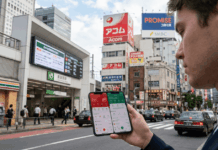
If you've ever wandered through Japan's vibrant cities, you've likely seen TSUTAYA—a brilliant yellow sign, shelves of books, music, and films filling the air with possibility.
For many, working here isn’t just a job. It's a gateway into Japanese retail and customer service.
This detailed guide explores what it’s like to land a TSUTAYA job, from daily tasks to professional growth.

Why TSUTAYA Jobs Appeal to Workers in Japan
TSUTAYA stands out for its inviting environment and close community feel. It might surprise you, but thousands of students and mid-career professionals look for part-time jobs at TSUTAYA each year.
Welcoming Atmosphere
Many people mention the approachable managers and teamwork mentality at TSUTAYA. Some say it's less stressful than other retail outlets, perhaps because there's a shared love for books and culture.
That’s not to say it’s always relaxed—busy weekends can get hectic—but in general, many staff describe the vibe as supportive.
Flexible Scheduling
Another advantage is flexibility. TSUTAYA offers various shift patterns, ideal for students or parents managing other responsibilities. It’s perhaps more adaptable than some expect, though the exact options depend on location and management needs.
Steady Demand for Staff
With locations all over Japan, there’s often a need for new team members. Larger branches, especially in urban centers, usually have several open positions at any one time.
There might be a bit of competition, but turnover is steady enough that opportunities are regular.
Types of Positions at TSUTAYA
TSUTAYA jobs aren’t all the same. There are core positions every branch needs, each with unique routines and skill requirements. Below are the most common roles you’ll encounter.
Floor Staff
Floor staff support customers, organize displays, and handle restocking. Many new hires start here.
It can be physically engaging, as tidying shelves and moving stock is an all-day activity. Some enjoy the opportunity to recommend books or movies; others might find the repetition a challenge.
Cashier
Cashiers provide checkout support, manage returns, and answer billing inquiries. The volume of interactions can be high, especially in busy locations.
It’s a position for those comfortable with basic computer systems and attentive to detail—miscounted change, after all, is still a reality anywhere.
Media Rental Desk
TSUTAYA is renowned for its membership-based DVD, CD, and game rental services. This role involves checking out media, advising on titles, and handling membership registration.
Familiarity with popular titles helps, but training covers most basics. If you love pop culture, this could be an especially rewarding post.
Store Management and Supervisor Roles
Long-term and experienced staff may advance to positions like shift supervisor, assistant manager, or full store manager.
Management takes on scheduling, hiring, and staff development efforts. Many describe the jump from floor staff to a supervisory role as challenging, sometimes a bit abrupt, but filled with learning opportunities.
Requirements and Hiring Process for TSUTAYA Jobs
What does it take to work at TSUTAYA? The requirements tend to be realistic, making it a good starting point for first jobs and those reentering the workforce.
Basic Eligibility
You typically need to be at least 18 years old (sometimes high school students from 16 can apply) with basic Japanese language skills.
Fluency isn’t always mandatory for shelving or stock work, but interacting with customers requires conversational fluency. Non-Japanese applicants may need a valid work visa—and sometimes, proof of Japanese proficiency.
Application Steps
Understanding each application step can help you prepare the right details, avoid mistakes, and submit your TSUTAYA application with confidence.
- Find open positions: Check TSUTAYA’s official careers page or branch windows for postings (the official recruitment portal is at tsutaya-job.jp).
- Submit an application: Online or in person, depending on preference and branch policy.
- Interview: A single short interview, usually centered on motivation and availability, is common. Dress neatly and bring a resume just in case.
- Trial period: Some branches include a brief probationary period before full onboarding.

Pay, Perks, and Benefits at TSUTAYA
Wages at TSUTAYA are generally comparable to other Japanese retail chains, but local conditions and experience matter.
Hourly Wages
Average hourly rates start around ¥950–¥1,100 , with late-night shifts often paying more. Urban branches may offer slightly higher pay, yet rural locations might balance lower salaries with less hectic work.
Discounts and Employee Benefits
Most staff receive small discounts on personal rentals and book purchases. There could be occasional bonuses for perfect attendance or exceeding performance targets, though this varies.
Opportunities for Advancement
Team leads and managers receive monthly salary packages and possible performance incentives. There’s potential for full-time contracts, which some part-timers pursue after gaining experience and trust.
What to Expect: Work Culture at TSUTAYA
TSUTAYA stores embody Japanese customer service culture—polite, prompt, and detail-oriented.
New staff are mentored by more experienced colleagues in the basics of "omotenashi" (hospitality). Sometimes, staff say getting the finer points just right can be a learning curve, especially for those new to Japanese workplaces.
Dress Code and Etiquette
Dress is neat-casual, with an apron or branded vest supplied by the store. Attire guidelines are quite clear: avoid flashy accessories, keep hair tidy, and stick to closed-toe shoes.
Sometimes there’s a quick “uniform check” at the start of shifts, just to keep things consistent.
Teamwork and Communication
Most workers mention strong teamwork—if you’re unsure about something, colleagues usually help.
Communication is mostly in Japanese, so confidence with the language strengthens the sense of belonging. Occasional language mix-ups happen, though, and that's OK in most settings as long as you're willing to learn.
Tips for Success in Your TSUTAYA Application and Role
A thoughtful application and dependable work habits can help you stand out at TSUTAYA. Focus on clear communication, flexibility, and a genuine willingness to support customers and teammates.
- Show a passion for books, movies, or music : Even if your knowledge is basic, expressing genuine curiosity goes a long way.
- Prepare a brief self-introduction in Japanese : Practicing your "jikoshoukai" helps break the ice.
- Emphasize reliability : Share examples of punctuality or past commitments.
- Highlight adaptability : If you’ve handled fast-paced or unfamiliar tasks before, mention it.
Legal Considerations and Tax Points for TSUTAYA Workers
Japanese labor law protects both full and part-time employees at TSUTAYA. Overtime, minimum wage, and rest breaks are all regulated; supervisors usually brief new hires on these rules.
Student Visas and Work Restrictions
Foreign students can work at TSUTAYA with the correct permit, typically allowing up to 28 hours weekly during term time. Keep this limit in mind, as exceeding it can affect your visa status.
Income Tax and Social Welfare
Wages are subject to income tax, deducted monthly. Depending on your hours and contract type, social insurance may also apply. It can feel a bit confusing at first, so seeking guidance from HR on your first day is a smart move.
Conclusion
A career at TSUTAYA can offer more than a familiar retail job. It provides a chance to build customer service, teamwork, and media-related skills in a distinctive Japanese setting.
With consistency, curiosity, and a helpful attitude, each shift can become a valuable step toward your future goals.