
Accessing fast cash in Mexico can be difficult when traditional bank requirements create delays. This guide explains practical alternatives for obtaining funds outside standard lending channels.
It also covers costs, safety checks, legal considerations, and common risks. These points can help readers compare options and make better-informed borrowing decisions.
Understanding Traditional Lending Barriers in Mexico
Traditional banks commonly review income, existing debts, documentation, and credit history before granting financing. These standard lending requirements can challenge freelancers, informal workers, or people with limited formal records.
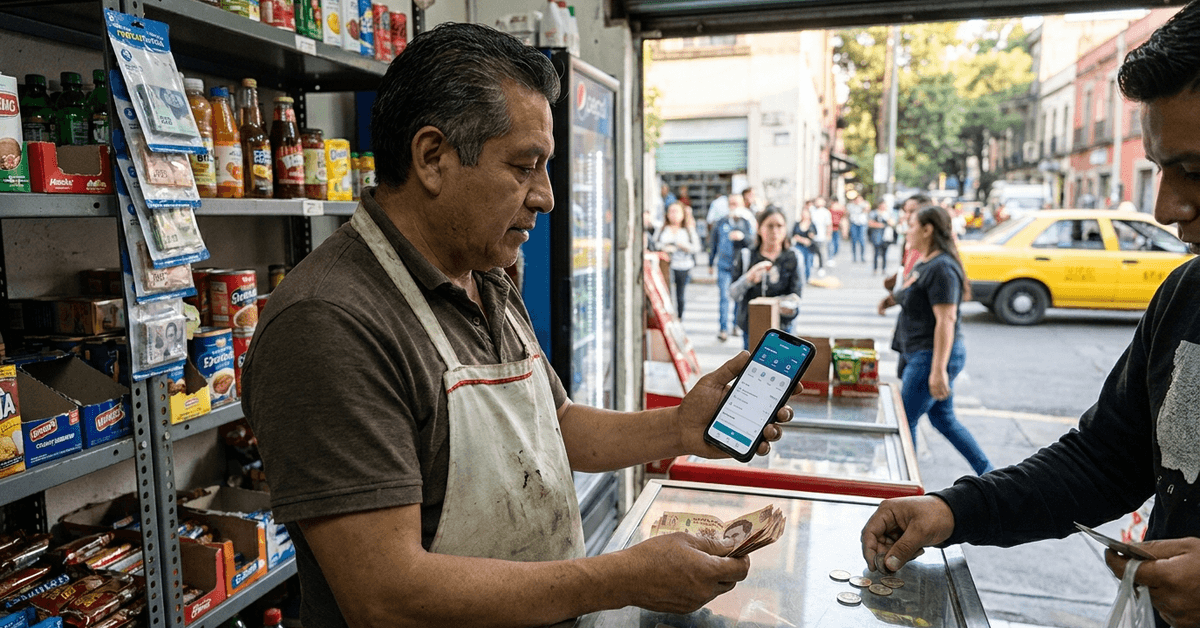
Applicants may need identification, proof of address, income records, bank statements, and other supporting information. Missing information can delay the credit assessment process or trigger additional verification.
Existing banking relationships may simplify some applications, but they do not guarantee acceptance. Urgent needs may make approval delays frustrating.
Alternative Ways to Access Quick Cash in Mexico
Mexico offers several alternatives to conventional bank loans, from digital credit to pawn services and salary advances. Each funding option has different costs, requirements, and repayment terms.
Online Lending Platforms
Digital lenders let applicants submit information and documents through websites or mobile platforms. Some use automated systems for faster credit decisions, although timing still varies.
Kueski currently offers an official online personal-loan product with published eligibility requirements, but applicants should still review the personalized cost and repayment terms before accepting.
Pawn Shops (Casas de Empeño)
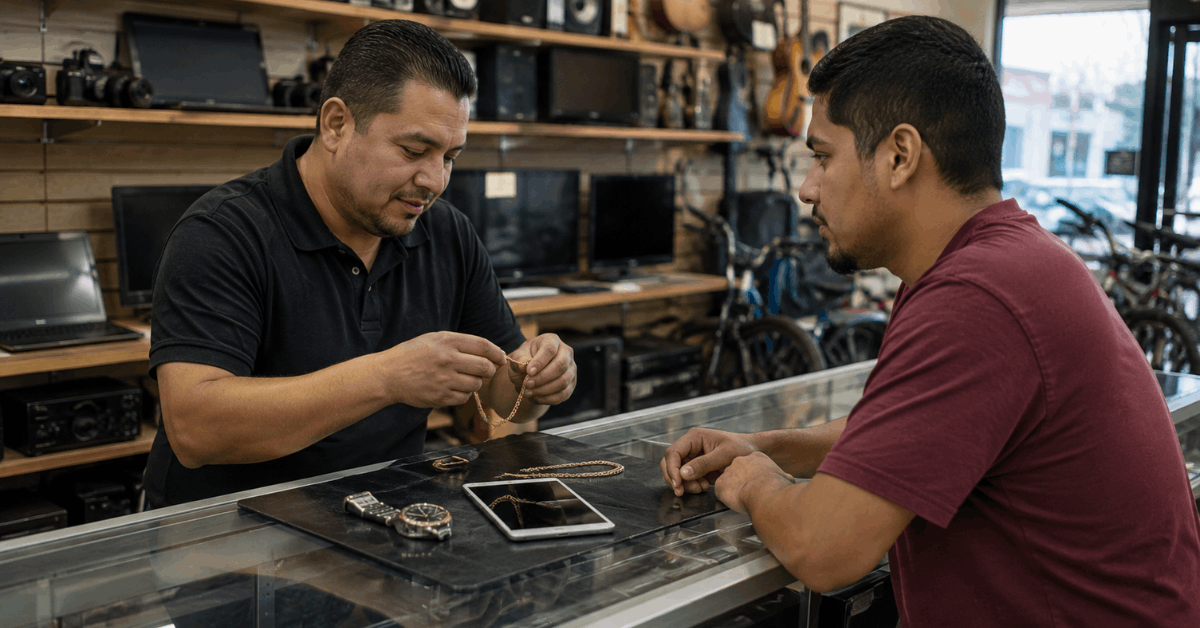
Pawn shops provide short-term funds in exchange for an item left as collateral. This can give quick access to cash without relying primarily on a traditional credit profile. Borrowers should review valuation, fees, deadlines, and the risk of losing the pledged item.
Payroll Advances
Some employers or financial services allow eligible workers to receive part of their salary before the normal payday.
A payroll advance can address a temporary cash shortage without using a conventional personal loan. Availability and repayment terms vary, so employees should confirm the effect on future wages.
Peer-to-Peer Lending
Peer-to-peer or crowdfunding platforms can connect borrowers or projects with investors through a digital marketplace.
Mexico has authorized collective-financing institutions, but their models and eligible financing purposes differ. Applicants should confirm authorization, fees, and product structure before applying.
Microfinance Institutions
Microfinance providers can serve individuals or small businesses needing relatively modest amounts of financing.
Their credit assessment methods may differ from traditional banks. Costs can vary, so borrowers should compare the full repayment obligation before signing.
Risks Linked to Alternative Lending Options
Faster financing can carry higher costs or shorter repayment periods. Borrowers should examine the total cost of credit and repayment schedule instead of choosing an offer solely because money appears available quickly.
Some fraudulent operators imitate legitimate financial institutions or request advance payments before supposedly releasing credit. CONDUSEF advises consumers to verify institutions through SIPRES and warns against paying money upfront for insurance, commissions, or loan processing before funds are granted.
Online applications also involve sharing identification, contact, and banking information. Using official secure channels and verifying contact details can reduce phishing risk.
How to Choose a Safe Fast Cash Solution?
Start by calculating the exact amount needed and a realistic repayment amount that fits the household budget. Then compare cost, legitimacy, repayment flexibility, and support across several suitable providers before accepting any offer.
Check Legitimacy
Not every financial company in Mexico falls under exactly the same regulatory category. CONDUSEF's SIPRES helps consumers verify registered financial-service providers, while the CNBV publishes information on supervised and authorized entities.
Checking official registration records is more reliable than trusting logos, advertisements, or social-media claims alone.
Clarity of Terms
A responsible lender should explain the amount borrowed, payment dates, interest, commissions, and other relevant charges clearly. Comparing the CAT and total repayment can provide a broader picture than looking only at a monthly rate.
If essential costs or obligations remain unclear, borrowers should request written clarification before accepting the contract.
Privacy and Security
Online lenders may request sensitive financial and identity information during legitimate verification.
Applicants should use the provider's official website or app, avoid sending credentials through unsolicited messages, and check that privacy information is available.
Passwords, PINs, and verification codes should never be shared with someone claiming they are needed to release approved funds.
Frequently Asked Questions About Fast Cash in Mexico
These questions address common concerns about speed, legality, and fraud prevention. Answers should still be checked against current provider terms because eligibility, pricing, and availability can change.
What Is the Fastest Way to Get Cash if Banks Deny My Application?
Registered online lenders, pawn shops, or an available salary advance may provide faster alternatives than a traditional bank application.
Actual funding speed varies according to provider checks, application timing, collateral, and banking processes. Compare costs and legitimacy before treating the fastest option as the best one.
Are Alternative Cash Solutions Legal in Mexico?
Many alternative financing models operate legally in Mexico, but they are not all regulated in the same way.
Borrowers should verify the specific provider and product through the appropriate official register rather than assuming that every fintech, marketplace, or lender has identical oversight. The CNBV maintains lists of authorized entities, including collective-financing institutions.
How Can I Avoid Scams?
Verify the institution through official registers and independently confirm its website, telephone numbers, and address.
Avoid advance-payment requests for supposed insurance, commissions, or processing before loan disbursement, a practice CONDUSEF specifically warns about. Never rush because of threats, guaranteed-approval claims, or unusually urgent messages.
Legal and Tax Considerations for Fast Cash in Mexico
Borrowed money is not automatically treated like ordinary earned income simply because funds enter a bank account.
However, Mexican resident individuals must disclose loans, donations, and prizes in their annual return when they individually or collectively exceed MXN 600,000 during the year, according to Article 90 information published by SAT.
Business-related borrowing can create separate accounting, deductibility, documentation, or tax questions depending on how the funds are used. Keeping contracts and payment records is therefore sensible, and complex business or tax situations may warrant advice from a qualified Mexican tax professional.
Conclusion
Accessing fast cash in Mexico outside traditional banks is possible through digital lenders, pawn shops, salary advances, marketplace financing, and microfinance providers. Each route carries different costs, eligibility requirements, and repayment risks.
Verifying providers, comparing the CAT, avoiding advance-payment scams, and protecting personal financial data can support safer choices. The best option is one that addresses the immediate need without creating an unaffordable future obligation.