
The Supplemental Nutrition Assistance Program (SNAP), previously called food stamps, offers vital support to millions of Americans.
Many families rely on SNAP for monthly grocery needs. Applying might look complex at first, yet with the right steps, it is more straightforward than most expect.
Understanding eligibility rules and the application process helps maximize your chances of qualifying. These tips apply regardless of whether you live in New York City, Los Angeles, or a smaller town. Each state runs its program, but a few basics hold true everywhere.
What Is the SNAP Program?
SNAP is a federally funded benefit. The main goal is to help low-income individuals and families afford healthy food. Benefits are delivered through an EBT (Electronic Benefit Transfer) card.
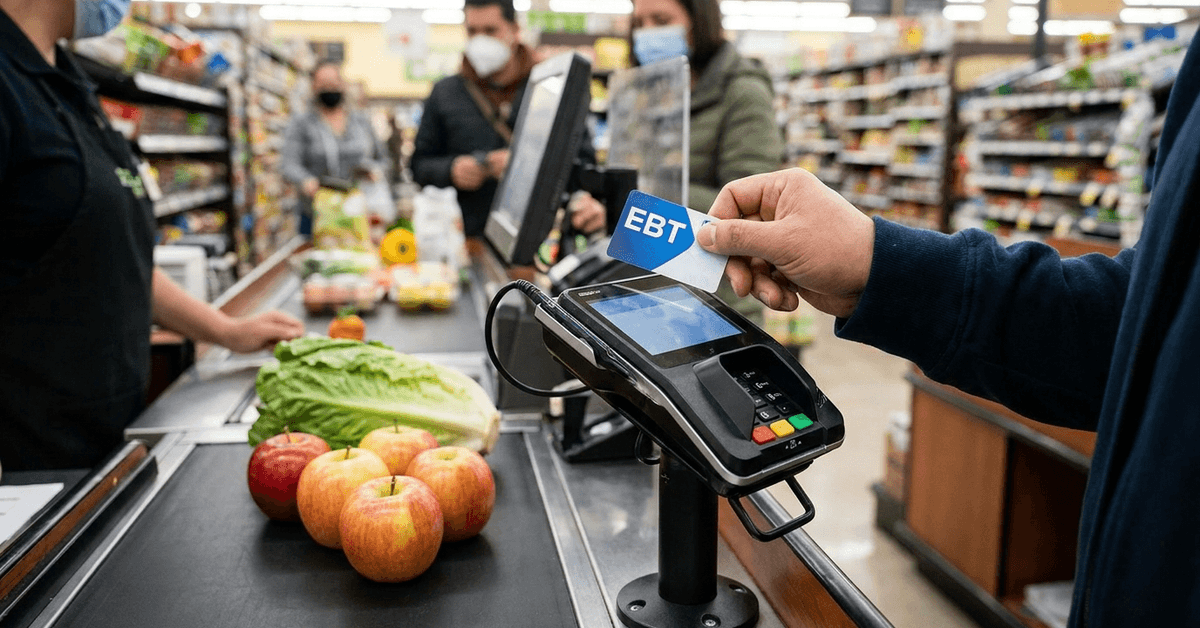
The EBT card works like a debit card for groceries at approved stores, including many supermarkets and local retailers. Some farmers' markets also participate.
Who Can Apply for SNAP Benefits?
Most applicants qualify based on income, household size, and expenses. U.S. citizenship or eligible immigration status is required for most cases.
College students, seniors, and households with children often qualify. Some states adjust requirements to help those in special circumstances, such as disaster relief or unemployment.
Basic Eligibility Criteria
- U.S. citizen or approved non-citizen
- Live in the state where you’re applying
- Meet household income and resource limits
Specifics depend on your state. Households in Chicago or Houston will see different income thresholds than rural counties.
Income Limits
Income guidelines adjust yearly. Most states use gross and net monthly income to see if you qualify. For example, in 2024, a household of four generally cannot exceed around $3,250 gross income monthly.
Some deductions may apply, like for childcare or certain medical costs. Always check your state’s exact table, as amounts change every year. States like California and Texas publish guidelines on their official SNAP websites.
How the SNAP Application Process Works
Application procedures have improved, moving many steps online. Even so, phone and in-person options are often available.
Step-by-Step Application Breakdown
- Gather necessary documents: ID, proof of income, utility bills, rent receipts.
- Go to your local SNAP website, or visit the nearest office.
- Fill out the application. Online portals like ACCESS HRA (NYC) or YourTexasBenefits (Texas) are widely used.
- Submit documents. Upload these via secure portals, by mail, or bring them in-person.
- Complete your interview, if required. Often done by phone, lasting 20–30 minutes.
- Wait for eligibility notice. This can arrive by mail or email. Most decisions take about 30 days.
The most important tool here is the state’s official online portal. It is usually the fastest way to apply or renew.
Where to Apply for SNAP
Major cities use custom web systems. For example, New Yorkers use ACCESS HRA while California has the BenefitsCal portal. Smaller towns may use state-wide platforms.
- ACCESS HRA (New York City)
- BenefitsCal (California)
- YourTexasBenefits (Texas)
- CommonHelp (Virginia)
- Gateway (Georgia)
Applicants unsure where to start can use the USDA’s SNAP state directory to find the right page. Libraries and community centers often have outreach teams to help if you lack computer access.
Tips and Best Practices for Smooth SNAP Approval
Documentation should match your application exactly. If anything doesn’t fit, be prepared to explain it during your interview. It’s fine to keep extra notes on complicated income or household questions.
Document Checklist
- State-issued identification
- Pay stubs or tax returns
- Lease agreements or utility bills
- Social Security numbers for all applying household members
- Medical or childcare expense receipts, if claiming deductions
Some applicants use mobile scanner apps like Adobe Scan or Genius Scan to digitize paperwork. This saves time when uploading to online systems, where missing documents can stall the process.
Interview Preparation
The interview is not a test but a review. It is best to review your paperwork and have all documents nearby. If you miss the call, states usually give one or two tries to reschedule.
Strategies to Track Your Application
Many portals now offer case dashboards. For example, after submitting through ACCESS HRA, applicants can log in and check progress or upload additional files. Email and SMS alerts help avoid missing updates or documentation requests.
What Happens After Your SNAP Application is Approved?
Once approved, your EBT card usually arrives by mail within 7 to 14 days. You may need to activate it by phone or online.
Monthly Benefit Disbursement
Benefits are automatically loaded each month. The amount depends on income, household size, and eligible expenses. Many states issue benefits between the 1st and 10th each month, but schedules vary.
Where You Can Use EBT Cards
EBT cards are accepted at most major grocery stores, discount markets, and some convenience stores. Many farmer markets in places like Seattle, Miami, or Denver also accept SNAP payment, which can stretch your dollars further.
Renewal and Reporting Changes
Most states require a periodic renewal, typically every 6 or 12 months. Reporting major changes—such as income fluctuating or a household member moving out—is mandatory. Delays or errors can lead to lost benefits.
Legal Rights and Privacy with SNAP
All information in a SNAP application is protected under strict confidentiality laws. Sharing personal details is required only with state offices and related case managers.
If you experience discrimination or have concerns, each state runs a helpline and accepts formal complaints. The USDA Office of the Inspector General takes reports, especially for suspected fraud or rights violations.
Useful Apps and Tools for SNAP Applicants
Several apps can help keep track of benefits, plan meals, or locate stores that accept EBT cards. Some of the top options include:
- Fresh EBT (now called Providers): Monitors SNAP balance and finds participating retailers easily.
- WICShopper: Useful for households also using WIC assistance.
- USDA FoodKeeper: Helps with meal ideas and food storage guidance.
Smartphone apps can simplify renewals, send reminder alerts, and help avoid missing re-certification deadlines.
Common Challenges and How to Overcome Them
Application denials usually stem from incomplete paperwork, mistakes, or missed interviews. Appeals are possible, though the process varies by state.
If you receive a denial letter, read it closely. It will detail any missing information or errors. Most states let you appeal within 90 days of notice.
Errors and confusion are common, so consider community legal aid if something feels unclear. Larger cities like Philadelphia or Dallas often have local advocacy groups that help with appeals and paperwork corrections.
Conclusion
Applying for the Food Stamps Program (SNAP) can seem daunting at first. However, using official portals, organizing your paperwork, and staying informed about state guidelines make the process easier.
Knowing which documents to prepare and where to get help saves time and decreases stress. Those who qualify receive vital monthly assistance to buy nutritious food and, ultimately, support their families’ well-being.
By being thorough, attentive, and making use of available digital tools, applicants may improve their chances of approval and smooth benefit renewals in the future.