
Getting a Starbucks job sounds straightforward until you actually sit down to do it. The careers portal has changed, the hiring timelines are inconsistent, and nobody warns you about the behavioral assessment waiting mid-application.
This guide is for job seekers applying for the first time, whether you're a student who needs flexible hours or someone switching careers and wants something steady while figuring out the next move.

A lot of what circulates about Starbucks hiring is either outdated or suspiciously cheerful. So this breaks down the process honestly, including the parts where patience actually matters.
What Kind of Jobs Does Starbucks Actually Have?
Barista roles get all the attention, and yes, they're the most common opening by a wide margin. But that's not the whole picture.
Shift supervisors manage teams during a single shift, handle opening and closing procedures, and step in when a manager isn't on the floor. Prior food service experience helps but isn't always required since Starbucks runs its own training.

Store managers lead entire locations, which means hiring, scheduling, cost management, and dealing with every operational problem that comes up. This role fits people who already have retail or restaurant management experience.
Then there are corporate and support center roles in IT, marketing, supply chain, and HR. These open less frequently and usually require specialized backgrounds, but they exist and they're worth checking if you have a specific skill set.
Barista vs. Shift Supervisor: Which One Should You Go For?
If you're new to food service, start with barista. The internal promotion rate at Starbucks is higher than many retail chains, which means getting the entry-level role is a real path to the supervisor role, not just a consolation prize.
| Role | Typical Experience Needed | Schedule Type | Career Path |
|---|---|---|---|
| Barista | None required | Part-time or full-time | Shift Supervisor, Store Manager |
| Shift Supervisor | Some retail/food service preferred | Full-time, varied shifts | Store Manager, District Manager |
| Store Manager | Management background expected | Full-time, variable | Corporate, Multi-unit roles |
How to Find Starbucks Job Openings Right Now
Go directly to Starbucks Careers. That's the only place guaranteed to show current, accurate listings for your area.
Job boards like Indeed and LinkedIn sometimes carry Starbucks postings, but they lag behind the official site by days or even weeks.
I've seen listings on third-party boards that were already filled by the time people applied. Use those boards to set alerts, but confirm everything on the official site.

Seasonal hiring periods, typically late fall and early spring, are when the most openings appear at once. If you're flexible on timing, applying during those windows gives you more options to choose from.
"Now Hiring" Signs Still Work
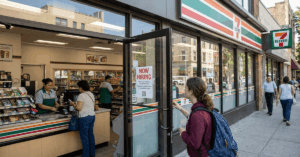
A few locations still post physical signs, especially smaller markets or neighborhood stores that don't do high-volume digital recruiting. Seeing a sign means the store is actively looking, which shortens the gap between application and response.
That said, the application still has to go through the online portal. The sign is just a heads-up, not a shortcut.
Walking Through the Starbucks Online Application
The process runs through Starbucks' own careers platform. Set aside about 30 to 45 minutes for a first-time application, longer if you're applying to multiple roles.
- Step one: Create an account on the Starbucks Careers site. The account tracks your applications and lets you set up job alerts.
- Step two: Search by zip code or city. Read the full job description, not just the title. Hours, shift requirements, and location details vary more than you'd expect.
- Step three: Fill out the application form. This covers work history, availability, and whether you can work weekends or holidays. Attaching a resume helps, even for barista roles.
- Step four: Complete the behavioral assessment. This is the part most guides gloss over, and it's worth slowing down for.
- Step five: Submit and wait. Response times range from a few days to a few weeks, depending on the location and hiring season.
The Behavioral Assessment Nobody Explains Well
Starbucks uses a short situational questionnaire partway through the application.
The questions aren't trick questions exactly, but they're designed to show how you'd handle real workplace moments, a difficult customer interaction, a scheduling conflict, a team disagreement.
My take on this: don't rush it. The questions feel simple, but the answers you pick tell the hiring team more than your resume does for an entry-level role. There's no single "correct" answer, but patterns in your choices do matter.
Answers that show customer focus and composure under pressure tend to align with what Starbucks is hiring for. That's not speculation. The company talks about this openly in its hiring materials.
What the Starbucks Interview Is Actually Like
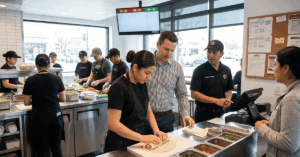
The format is usually relaxed. A store manager or assistant manager sits down with you, asks about your availability, runs through a few scenario-based questions, and tries to get a sense of whether you'd fit the team dynamic.
Questions you should be ready for:
- A situation where you handled a difficult person or customer
- How you manage competing priorities when everything is busy at once
- Why you want to work at Starbucks specifically, not just why you want a job
- Your actual availability, including weekends and early mornings
Honest answers outperform rehearsed ones here. If you can only work three days a week, say so upfront. Mismatched expectations on scheduling are one of the most common reasons new hires don't last past the first few weeks.
Should You Follow Up After Applying?
Following up politely one to two weeks after submitting is fine. A brief message to the store manager, if you have contact info, or through the portal works. It shows initiative without being pushy.
I wouldn't follow up more than once. Starbucks hiring managers are managing a full store while reviewing applications. A second or third follow-up won't speed anything up, and it might actually flag you as high-maintenance before you've even started.
Benefits That Matter for Part-Time Workers
One thing Starbucks does that most retail chains don't: part-time employees get benefits too. The threshold is working at least 20 hours per week on average.
That means access to:
- Health, dental, and vision coverage
- Paid time off
- Starbucks stock through the Bean Stock program
- Partner discounts on food and drinks
- Tuition coverage through the Starbucks College Achievement Plan
The tuition program is the one most worth paying attention to if you're a student. Starbucks partnered with Arizona State University to offer full tuition coverage for an online degree. That's a real financial consideration, not just a marketing bullet point.
A Contrarian Take on the "Flexible Schedule" Pitch
Every Starbucks job guide leads with flexible scheduling as a selling point. I disagree with how that framing gets used.
Flexibility at Starbucks means the schedule works around the company's needs, and sometimes that lines up with yours. Stores open early, sometimes at 4:30 or 5:00 AM, and close late.
Weekend and holiday availability is often expected, especially for new hires who haven't built up seniority.
If you genuinely need a predictable, fixed schedule, the barista role may frustrate you faster than the perks compensate.
I'd rate the scheduling as flexible for the company first, and flexible for the employee once you've been there long enough to have some leverage.
That's not a reason to avoid applying. It's a reason to go in with clear expectations rather than assumptions.
Staying Safe During Your Job Search
Starbucks does not charge applicants anything to apply or interview. Any site or person asking for a fee is running a scam.
Always apply through starbucks.com/careers directly. Personal or financial information should never be sent through unofficial channels. The minimum age for most positions is 16, though local labor laws may set a different floor depending on where you are.
Questions People Ask About the Starbucks Job Application
Q: How long does it take to hear back after applying to Starbucks? Response times vary by location and season. Some applicants hear back within a few days, others wait two to three weeks. Peak hiring periods around fall and spring tend to move faster.
Q: Do you need a resume to apply for a barista position? A resume isn't technically required, but including one speeds up the review process. Even a simple one listing prior work or relevant experience gives the hiring manager more to go on.
Q: Can you apply to multiple Starbucks locations at once? Yes. The careers portal lets you apply to as many locations as you want. Applying to several nearby stores improves your chances if one location has a longer queue.
Q: What happens during the Starbucks behavioral assessment? It's a short set of situational questions built into the application. The goal is to see how you'd handle typical workplace scenarios. There are no trick questions, but taking your time and answering honestly matters more than trying to guess the "right" answer.
Q: Does Starbucks promote from within? Internal promotion at Starbucks is more common than at many retail chains. Baristas who want to move into shift supervisor or store manager roles have a documented path to get there, especially in stores with active management support.
Conclusion
Getting a Starbucks job in 2026 is a straightforward process once you know where the friction actually lives. The behavioral assessment and inconsistent response times trip people up the most, and both are manageable with the right expectations.
The benefits package, especially the tuition program, makes this a stronger opportunity than most entry-level retail jobs. Apply through the official site, be honest about your availability, and give the assessment the attention it deserves.