Every English-language guide about credit cards in Japan puts the Rakuten Card at the top. Ask on Reddit, ask an ALT coworker, ask a relocation agency. Rakuten is the default answer.
But that default advice skips one awkward detail: the 1% base rewards rate only tells half the story. The multiplied rates, the 3x and 5x bonuses, kick in when spending stays inside Rakuten's own marketplace and services.
For a foreign national landing in Tokyo or Osaka with zero ties to the Rakuten shopping ecosystem, that blanket recommendation deserves a second look. This breakdown is for English-speaking expats building credit in Japan for the first time.
The Rewards Math Outside Rakuten's Ecosystem
The Rakuten Card earns 1 Rakuten Super Point per ¥100 spent. At face value, that 1% return matches or beats most Japanese bank-issued cards, which often sit at 0.5%.
That comparison is where most guides stop. And it creates a false impression.
How Bonus Multipliers Change the Equation
Spend ¥100,000 per month at regular Japanese stores, convenience shops, and restaurants. That earns 1,000 points, worth roughly ¥1,000. Solid but unremarkable.
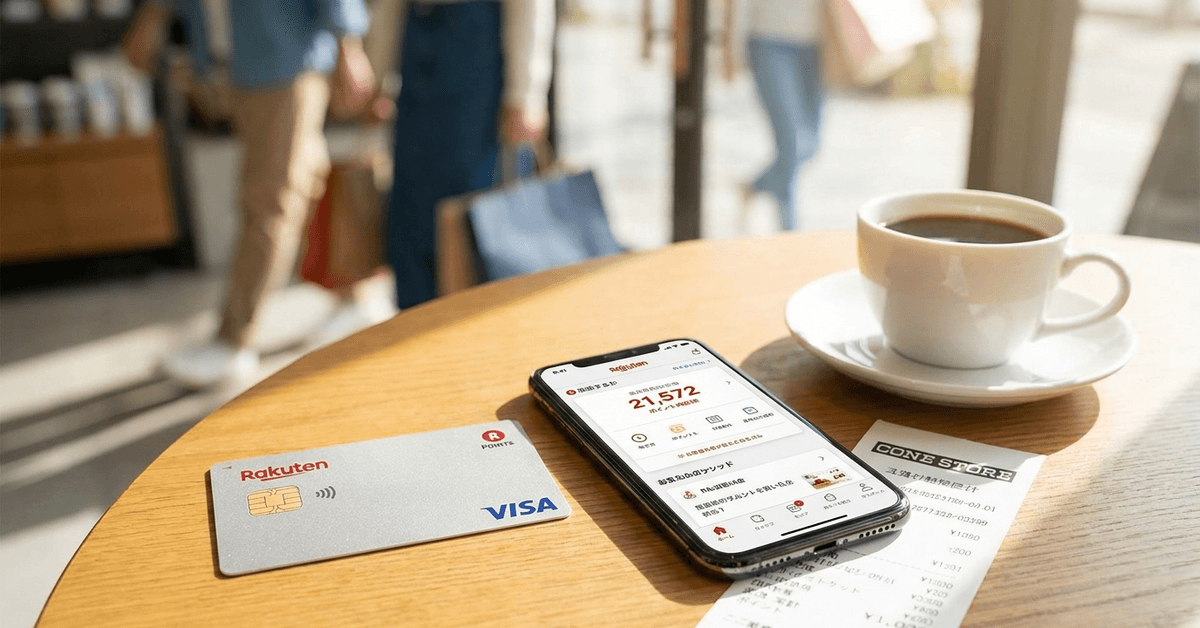
Now spend that same ¥100,000 on Rakuten Ichiba, Rakuten's main online marketplace. Campaign multipliers during seasonal promotions can push returns to 3x, 5x, or higher. That same monthly budget could generate ¥3,000 to ¥5,000 in points.
The gap between those two scenarios is the thing that should shape your decision. A cardholder who rarely shops on Rakuten Ichiba is earning a flat 1%.
A cardholder deep inside the Rakuten ecosystem is earning several times that. The card rewards loyalty to the platform, and the base rate is the floor, not the ceiling.
Campaign Points Expire Faster Than Regular Points
Standard Rakuten points last about 12 months after the month they were earned. Campaign bonus points, the ones generated by those juicy multipliers, often expire within 45 days or less.
That short window creates pressure. Earn a big batch of bonus points during a sale event, then forget to spend them within six weeks, and they vanish. Regular users who check their Rakuten account weekly barely notice. N
ew cardholders who applied because a blog told them to, and then went back to shopping at Aeon or Don Quijote, lose those bonus points quietly.
Applying for the Rakuten Card as a Foreign National
Getting approved for a credit card in Japan has a reputation for being difficult if your name isn't in katakana on a family register. Rakuten's process is more accessible than most traditional banks, though "accessible" still comes with fine print.
Eligibility and Documentation
The baseline requirements: be at least 18 years old, have a source of income, and hold a residence card with a registered Japanese address. Permanent residency is not required.
Cardholders on work visas, student visas, and spouse visas have reported approvals, though outcomes depend on individual circumstances.
The application itself runs through Rakuten's website. Expect to provide:
- Residence card number and expiration date
- A registered Japanese address (matching your city hall registration)
- Income details and employer information
- A Japanese phone number
One friction point that trips up applicants: the online form defaults to Japanese input. Entering a non-Japanese name in romaji sometimes causes errors or flags the application for manual review.
Double-checking that name fields match your residence card exactly can prevent a rejection that has nothing to do with creditworthiness.
Approval Timeline and Card Delivery
Some applicants see instant approval. Others wait a few business days while Rakuten runs additional checks. The physical card typically arrives within one to two weeks by registered mail to the address on your residence card.
I would pick the Visa network option over JCB for a first card in Japan. JCB has strong domestic coverage, but Visa acceptance outside Japan is far broader.
For an expat who travels regionally or shops on international sites, Visa eliminates friction that JCB creates in Southeast Asia or Europe.
Rakuten Card vs. Japanese Bank Cards: a Side-by-Side Look
Fees and rewards differ between Rakuten and traditional Japanese bank cards. The comparison below uses the standard (non-premium) Rakuten Card against a typical megabank credit card.
| Feature | Rakuten Card (Standard) | Typical Megabank Card |
|---|---|---|
| Annual fee | ¥0 | ¥1,000 to ¥3,000 |
| Base rewards rate | 1% (1 point per ¥100) | 0.5% or lower |
| Ecosystem bonus | Up to 3x–5x on Rakuten services | Minimal or none |
| Application process | Fully online, 1–2 week delivery | Branch visit often required |
| Card freeze feature | Available via app | Often requires a phone call |
| Foreign transaction fees | Apply (rate varies) | Apply (rate varies) |
The annual fee difference is real but small. The rewards gap matters more, and it only matters if spending patterns match Rakuten's ecosystem.
A cardholder who never opens Rakuten Ichiba is paying ¥0 annually for a 1% card, which is fine. But that same cardholder isn't getting the 3x–5x returns that make the Rakuten Card famous.
Who the Rakuten Card Quietly Fails
This is where I'd push back on the default recommendation. I think the advice to get a Rakuten Card as your first card in Japan is wrong for expats who don't already use Rakuten services.
The 1% flat rate outside the ecosystem is decent, but a cardholder earning ¥1,000/month in points while ignoring Rakuten Ichiba, Rakuten Travel, and Rakuten Mobile is leaving the card's real value untouched.
The Expat Who Shops at Physical Stores
If daily spending goes to Aeon, Lawson, Life Supermarket, and the occasional Uniqlo run, the Rakuten Card earns its base 1% and nothing more.
An Aeon Card or a store-affiliated card might return more on those specific purchases through their own loyalty programs. The Rakuten Card wins on simplicity and zero annual fee, but it doesn't win on rewards per yen for physical retail.
The Short-Term Visa Holder
Rakuten's point system rewards long-term accumulation and ecosystem integration. A working holiday visa holder spending 12 months in Japan may build up points, then leave the country before redeeming them meaningfully.
Points used for Rakuten Travel bookings or Rakuten Mobile top-ups are wasted value if both services get cancelled at departure.
The Expat Who Already Uses Rakuten Everything
Now this person should absolutely get the Rakuten Card.
Someone paying for Rakuten Mobile, shopping on Rakuten Ichiba, booking trips through Rakuten Travel, and banking with Rakuten Bank can stack multipliers that push effective rewards past 5%. For this user, the card ties the entire financial routine together.
The card is powerful inside its own world. The mistake is assuming every expat in Japan lives inside that world.
Watching for Hidden Costs and Policy Shifts
No card is free of fine print, and the Rakuten Card has a few details worth checking before applying.
Foreign Transaction Fees on Overseas Purchases
The Rakuten Card charges a foreign transaction fee on purchases made outside Japan or in non-yen currencies. The exact percentage depends on the network (Visa, Mastercard, or JCB) and fluctuates slightly.
Expats ordering from Amazon US, paying for a VPN in USD, or buying something on a European site should factor this cost in. The fee is standard for Japanese cards, but it still eats into that 1% rewards rate on international purchases.
Point Policy Changes
Rakuten has adjusted its points program terms in the past, including changes to earning multipliers and expiration windows.
These shifts tend to be incremental rather than dramatic, but they can reduce the value of a points balance that a cardholder expected to grow. Checking the Rakuten Card member portal quarterly is a reasonable habit.
Late Payment Consequences
Late payments on any Japanese credit card affect the cardholder's credit record through Japan's CIC (Credit Information Center).
For a foreign national building credit history from scratch, even one missed payment can make future card applications and loan approvals harder. Setting up automatic payment through a linked bank account removes this risk entirely.
Getting More Out of the Rakuten Card if You Decide to Apply
The flat 1% rate is the floor. Pulling more value requires some deliberate habits.
- Time large purchases around Rakuten's seasonal campaigns like Super Sale or Marathon events, when multipliers spike
- Link the card to Rakuten Pay for mobile payments at physical stores that accept QR code payments
- Set calendar reminders for campaign bonus point expiration dates, since those windows can be as short as 45 days
- Use Rakuten Ichiba for household staples like detergent, paper goods, and pantry items instead of buying them at a convenience store at full price
These steps take five minutes of setup and periodic attention. The payoff depends entirely on how much of your spending can shift into Rakuten's ecosystem without inconvenience.
Questions People Ask About the Rakuten Credit Card
These come up often in expat forums and search queries about credit cards in Japan.
- Q: Can I get a Rakuten Card without permanent residency in Japan?
Permanent residency is not a requirement. Applicants on work visas, spouse visas, and some student visas have been approved. A stable registered address and verifiable income improve the odds, though approval is never guaranteed. - Q: Is the Rakuten Card accepted outside Japan?
Cards issued on the Visa or Mastercard network work at most international merchants. JCB acceptance is weaker outside Asia. A foreign transaction fee applies to non-yen purchases, so the rewards math changes when spending abroad. - Q: Do Rakuten points work like cash?
Points can be spent at face value (1 point = ¥1) on Rakuten Ichiba, Rakuten Travel, and some partner merchants. They cannot be withdrawn as cash or transferred to a bank account. Conversion to non-Rakuten loyalty programs is limited. - Q: What happens to my Rakuten points if I leave Japan?
Points remain in the account as long as it stays active, but redeeming them becomes difficult without a Japanese address and active Rakuten services. Spending down the balance before departure is the practical move. - Q: Does the Rakuten Card help build a Japanese credit score?
Regular on-time payments are reported to CIC, Japan's main credit bureau. Consistent use over 12 or more months creates a positive credit file, which matters for future card applications, phone contracts, and housing.
Conclusion
The Rakuten Credit Card earns its popularity through zero annual fees and a points system that rewards ecosystem loyalty. Expats already using Rakuten's marketplace and mobile services will find stacked multipliers hard to beat.
Those who shop mostly at physical stores or plan a short stay may find the flat 1% rate underwhelming. The right question is not whether the Rakuten Card is good, but whether your daily spending habits live where its bonuses do.