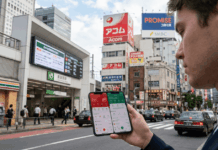
Japan’s hospitality sector attracts job seekers with its vibrant culture and stable economy. The country offers diverse roles suited for both locals and international applicants.
This guide caters to foreign job seekers, students, and anyone curious about working in Japanese hotels. Readers can expect step-by-step advice and actionable tips to maximize their prospects.
Why Consider Hotel and Hospitality Jobs in Japan
Tokyo and Osaka host thousands of hotels, ranging from global chains to boutique inns. The demand for staff consistently rises, especially before major events and holiday seasons.

Japan’s reputation for customer service means employers value polite communication and attention to detail. Roles often come with training, making entry easier for newcomers.
International visitors boost the need for multilingual staff. English proficiency provides a clear advantage, especially in tourist hotspots and urban centers.
Popular Types of Hotel and Hospitality Jobs
The hospitality industry offers a wide variety of roles suited to different skills, experience levels, and career goals.
Understanding the most common hotel positions can help job seekers identify opportunities that match their interests, qualifications, and preferred work environment.
Front Desk and Concierge
Receptionists handle check-ins, reservations, and guest questions. Front desk roles often require basic Japanese and English skills. Patience and a welcoming demeanor are valued.
Housekeeping and Cleaning
Housekeepers ensure guest rooms and public areas remain spotless. Attention to cleanliness and time management is key for these roles. Previous experience is helpful, but many hotels offer on-the-job training.
Food and Beverage Staff
Restaurant staff work in cafes, bars, or dining rooms within hotels. Tasks include serving meals, pouring drinks, and sometimes basic food prep. Some knowledge of Japanese table manners is appreciated.
Porter and Bellhop
Porters assist visitors with luggage and guide them within the hotel. This role often suits outgoing individuals who enjoy guest-facing responsibilities. Lifting heavy luggage is sometimes required.
Where to Find Hotel Jobs in Japan
Hotel jobs in Japan can be found through online job boards, company career pages, recruitment agencies, and local employment centers.
Exploring several trusted sources can help applicants compare roles, requirements, locations, and language expectations before submitting an application.
Major Cities with High Demand
Japan’s major cities offer strong demand for hotel workers, with opportunities varying by tourism levels, season, location, and language requirements.
- Tokyo: Hotels near Shibuya, Shinjuku, and Tokyo Station constantly recruit.
- Osaka: Areas like Umeda and Namba have hundreds of hospitality positions.
- Kyoto: Traditional inns (ryokan) and heritage hotels look for staff year-round.
- Sapporo and Fukuoka: Growing tourism in Hokkaido and Kyushu supports steady hiring.
Seasonal Tourist Destinations
Ski resorts in Hokkaido offer winter jobs, while Okinawa’s beach resorts hire for summer. In rural areas, ryokan (traditional inns) offer a glimpse into Japan’s heritage hospitality.
Top Tools and Platforms to Search for Jobs
Using reliable job-search tools and platforms can simplify the process of finding vacancies, comparing employers, uploading résumés, and tracking applications.
Combining official career pages, online job boards, recruitment services, and professional networking apps can help candidates discover more relevant opportunities.
- GaijinPot Jobs: A top job board for English-speaking and bilingual candidates.
- CareerCross: Features jobs at international hotels and foreign-owned businesses.
- Indeed Japan: Large listings with filters for language requirement and job type.
- Hotel Jobs Japan: Specialized portal for hospitality roles nationwide.
- Recruit.com: Offers Japanese-language listings for those comfortable with local job ads.
How to Prepare for a Hotel Job Application in Japan
Preparing for a hotel job application in Japan involves organizing the required documents, tailoring your résumé, researching the employer, and understanding language and workplace expectations.
Careful preparation can help you present a professional profile and approach each stage of the hiring process with greater confidence.
Language Requirements
Entry-level jobs sometimes require only basic Japanese, especially in international hotels. However, speaking conversational Japanese broadens opportunities significantly.
Resume Essentials
A clear, well-organized résumé helps employers quickly assess your qualifications, experience, and suitability for hotel positions.
- Use a Japanese resume format (rirekisho) as it’s commonly requested.
- Highlight language skills and hospitality experience.
- Include a professional photo (standard practice in Japan).
Interview Tips
Good preparation and professional communication can help you make a positive impression during a hotel job interview.
- Dress formally and arrive early, as punctuality is valued.
- Respond politely, showing respect for hierarchy and culture.
- Review typical hospitality interview questions beforehand.
Legal Requirements and Visa Considerations
Understanding Japan’s legal requirements and visa rules helps foreign applicants confirm work eligibility, prepare documents, and avoid problems during the hotel employment process.
Working Holiday Visa
Several countries have working holiday agreements with Japan. Eligible candidates can stay up to one year and take on hotel or service jobs during their visit.
Student Visa Holders
Students studying in Japan can work part-time, typically up to 28 hours per week. Approval from the immigration office is required before starting work.
Work Visas for Hospitality Professionals
Applicants with relevant hospitality degrees or significant experience may qualify for a Skilled Labor or Engineer/Specialist in Humanities visa. Employer sponsorship is generally needed.
Real-World Steps to Finding a Job
Finding a hotel job requires a practical approach, from identifying suitable openings and preparing documents to applying consistently and following up professionally.
- Update your resume and cover letter to Japanese standards.
- Register on job platforms like GaijinPot Jobs and Indeed Japan.
- Apply directly to hotels via their official websites when possible.
- Consider working with recruitment agencies that specialize in hospitality.
- Prepare for remote or in-person interviews by researching the hotel's brand and Japanese manners.
Common Challenges for Foreign Applicants
Foreign applicants may encounter language, documentation, or visa-related challenges, but careful preparation can improve confidence and strengthen job opportunities.
Language Barriers
Lack of fluency in Japanese can limit options. Larger hotels often provide more flexibility, while smaller businesses may expect higher language proficiency.
Cultural Adjustments
Workplace hierarchy and indirect communication may take some adjustment. Patience and willingness to learn are essential for career growth in this field.
Tips for Success Once Hired
Success after being hired often depends on punctuality, teamwork, cultural awareness, clear communication, and a willingness to learn from feedback.
- Observe how senior colleagues interact with guests and model their approach.
- Ask questions respectfully if unsure about local customs or hotel rules.
- Attend in-house training sessions to build new skills and confidence.
- Stay open-minded to feedback, as it helps improve customer service skills.
Conclusion
The Japanese hotel industry welcomes dedicated workers from across the globe.
With careful preparation, understanding of visa requirements, and a willingness to adapt, foreign job seekers can access rewarding opportunities in cities and resorts throughout Japan.
Using the right platforms and maintaining a positive, service-oriented attitude are keys to long-term success. The path may not always be easy, but hospitality careers in Japan offer personal growth and cultural enrichment for those who embrace the challenge.