
The film industry is often associated with glitz, glamour, and red-carpet moments. But behind the scenes, there’s a vast ecosystem of professionals, each playing a unique role.
Whether you're passionate about storytelling, technology, or organization, there’s likely a film industry job that fits. Who might find this article helpful? Anyone curious about breaking into film, switching careers, or looking for work offering better flexibility—and, perhaps more importantly, more lucrative hourly pay.
When you consider some positions pay up to $50 an hour, suddenly the industry seems more accessible than you may think. The goal here: share valuable insight into film jobs, real earning potential, and what skills or training might be involved.
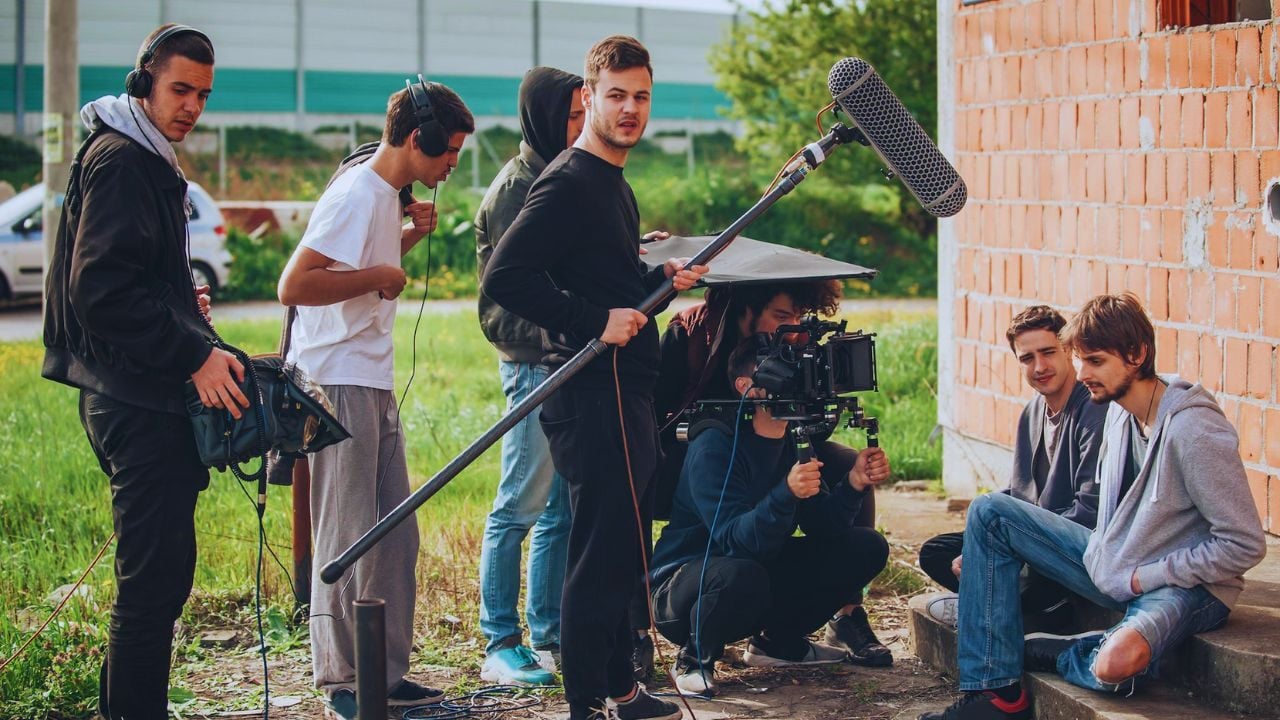
Why Film Industry Jobs Pay Well
It's a fair question: Why do some film industry roles offer competitive wages? Several reasons come to mind.

First, the industry itself generates enormous revenue and relies on specialized skills that aren’t always easily found.
Second, projects often require intense bursts of work with tight deadlines. Finally, the collaborative nature and sheer scale of production mean time really is money—a missed step or delay can be costly.
Skills in High Demand
Visual effects, sound design, camera operation, and lighting frequently top the list for technical skills in demand. For roles supporting creativity (think script supervision or editing), attention to detail and problem-solving are musts.
In some cases, even a modest background or entry-level course can open doors—and increase hourly earnings along the way.
Project-Based Compensation
Film jobs commonly pay on a project or daily rate, which, after dividing hours worked, often translates to hourly rates north of $30.
Senior or union positions can, with overtime, nudge toward that $50 per hour sweet spot. Still, it's not unusual for rates to vary—as deadlines, budgets, and demand fluctuate.
Most Lucrative Film Industry Jobs (And What They Do)
Not everyone on set is a director or star, yet many crew members enjoy high hourly pay and respected status. Here’s a practical breakdown of jobs you might not realize are both essential and well-compensated.
Camera Operators
Camera operators literally shape what audiences see. Depending on experience and the production’s budget, rates typically range from $30 to $50 per hour. Those who can adapt quickly and troubleshoot under pressure are always valued.
Gaffers and Electricians
The gaffer oversees the lighting—key to any film’s look and mood. This is a demanding technical job, often offering high hourly pay. Electricians form part of this department and frequently command a comparable wage, especially when union-backed.
Script Supervisors
Ever notice how some movies nail continuity—props, wardrobe, dialogue always aligning? That’s thanks to script supervisors. This detail-driven job can cross into the $50/hour range, especially on commercials or higher-budget features.
Sound Recordists and Boom Operators
Bad audio can ruin even a beautiful scene. That’s why sound specialists are so crucial. On-location sound recordists may be paid hourly or by the day, quite commonly in the upper brackets for seasoned pros.
Editors and Assistant Editors
Though often associated with post-production, editors glue stories together. Experienced editors, particularly those in-demand for commercials, TV, or features, often negotiate rates of $40–$60 per hour for their expertise.
Production Coordinators
While less glamorous, this organizational powerhouse role is critical. Coordinators manage logistics, scheduling, and staff. On fast-moving sets, competitive hourly rates are the norm for those with experience.
Emerging Opportunities in the Modern Film Scene
The digital transformation of media unlocked even more job possibilities. Streaming boom, social video, animation, and virtual production have all helped new specialties and hybrid roles gain ground—sometimes with impressive pay attached.
Colorists and VFX Artists
Digital colorists don’t just correct—they create moods. VFX artists, meanwhile, bring the impossible to life. As content multiplies across platforms, these skills remain in high demand, often justifying higher rates for specialized tasks.
Content Managers and Digital Producers
Someone needs to oversee workflow, ensure brand security, or supervise delivery on multiple platforms. Digital producers and content managers have become increasingly visible—and well-compensated—across studios, agencies, and streaming platforms.
How to Get Started in Film Industry Jobs
The big question for many: Do you need a film degree? Not always. While formal training can help, a surprising number of successful workers have learned on the job, started as assistants, or taken niche workshops.
Sometimes, the best introduction to film is simply hustling for an entry-level position on set. Over time, these gigs provide exposure, networking, and upward mobility.
Build a Portfolio or Showreel
Even those beginning without credentials can build credibility. Small projects, collaborations, or your own videos can showcase practical skills to prospective employers.
Networking and Film Communities
Several communities and online boards—such as those by International Alliance of Theatrical Stage Employees, Mandy Network, and ProductionHUB—list fresh opportunities.
Sometimes, it’s word of mouth or a mentor’s recommendation that makes the difference.
Top Websites and Platforms for Finding Film Jobs
Knowing where to look can save time. Several job boards—such as Staff Me Up, Backstage, and Mandy Network—specialize in production listings.
For union-connected posts, direct portals for IATSE or the Directors Guild of America are reliable sources. Freelancers might also check platforms like Indeed, ProductionHUB, or LinkedIn for film projects that match their expertise.
Qualifications and Essential Skills
Most technical roles require punctuality, reliability, and a willingness to learn as much as formal credentials. Basic certifications in camera operation, lighting, editing, or safety can accelerate advancement—and potentially drive hourly pay higher.
Soft skills, such as resilience, adaptability, and collaboration, are almost always appreciated. It’s rare that someone gets hired solely on talent; a solid reputation and professional mindset matter, perhaps even more.
Legal and Tax Considerations in Film Industry Work
Contract arrangements, fluctuating schedules, and per-project gigs can make taxes and legal compliance more complex. Many professionals in film operate as independent contractors rather than full-time employees.
This means handling their own invoicing, tax filings, and insurance. For jobs over a certain threshold in the U.S., a 1099 form may be necessary.
Likewise, those working on union-managed productions should become familiar with collective bargaining agreements, pension plans, and residuals if eligible.
For international film workers, it’s wise to research local employment laws—regarding minimum wage, overtime, and workplace protections—to avoid surprises down the line.
Tips for Boosting Hourly Earnings in Film
Hourly pay isn’t always set in stone. Many who earn the most pursue continuous learning—picking up new certifications or adapting to evolving technology.
Taking on extra responsibilities, like department lead or supervising trainees, can sometimes add a premium to standard rates. Polishing soft skills may also help—good communicators or team players regularly get repeat bookings.
Occasionally, it pays to be flexible; saying yes to demanding projects or work at odd hours can sometimes lead to higher compensation or future referrals.
Conclusion
Film industry jobs can open the door to creative work, hands-on experience, and flexible earning potential. Whether you start in production support, editing, set design, or camera assistance, each role can help build real skills and stronger industry connections.
With the right preparation and persistence, you can turn creative interest into paid opportunities that grow over time.