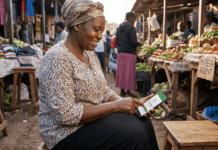
Fast access to credit can be important when unexpected expenses or short-term cash needs arise.
For borrowers searching for unbureaucratic fast credit in Brazil, digital lenders and simplified application processes may offer more convenient alternatives to traditional banking.
This guide explains how these options work, which digital tools are commonly used, and the main benefits, costs, and risks to consider before applying.
Why Traditional Credit in Brazil Feels Slow and Risky
Many Brazilians find it difficult to get approved for traditional bank loans. Banks often ask for extensive documents, proof of income, and even require a good credit score.

This process can sometimes take several days or weeks. For anyone needing immediate cash, that's often just not practical.
The Rise of Digital Credit Platforms
The landscape has changed rapidly in large cities like São Paulo, Rio de Janeiro, and Belo Horizonte. Fintechs lead this shift, offering a truly unbureaucratic experience.
The single most important trend is the rise of the digital lending app. These apps promise fast decisions, minimal paperwork, and quick transfer of funds directly to your account.
Top Digital Credit Apps in Brazil
Top digital credit apps in Brazil offer different loan amounts, rates, repayment terms, eligibility requirements, and mobile features for borrowers to compare.
- Nubank – Offers personal loans pre-approved for eligible customers, all managed in-app.
- Creditas – Known for quick secured loans and payroll-deducted loans for workers.
- PicPay – Allows users to apply for microcredit and personal loans using the app interface.
- Zippi – A microcredit option for self-employed workers with same-day deposit potential.
How They Work
These apps analyze your credit info automatically, using algorithms and open banking data. The steps are streamlined.
- Choose an app that suits your profile and download it.
- Register using your CPF and mobile number.
- Allow reading of personal and sometimes banking data to assess credit risk.
- Select loan amount and terms.
- Sign the contract digitally and receive funds, sometimes within minutes.
The Role of Open Banking in Faster Credit Decisions
Open Banking can help lenders evaluate applications more efficiently by allowing customers to share selected financial data securely and with consent. This can provide a clearer picture of income, spending patterns, and repayment capacity.
Personalized Credit Assessment
With authorized data access, digital lenders may tailor credit offers based on actual financial activity rather than relying only on traditional documents. This can be particularly useful for freelancers, self-employed workers, and applicants with variable income.
Example: Applying for Credit Through Nubank in São Paulo
Digital banks have simplified many steps that once required branch visits. A borrower in São Paulo may be able to review available credit, select terms, and complete the agreement directly through the Nubank app.
Digital Application Experience
The process may include identity verification, reviewing available offers, selecting a loan amount, and digitally accepting the contract. Approval and fund-transfer times depend on the applicant’s profile and current offer, so same-day access is not guaranteed.
The Appeal of Digital Credit Cards
Digital credit cards can provide convenient access to spending without requiring customers to wait for a physical card.
Providers such as Neon and C6 Bank manage much of the card experience through mobile apps, including account access, spending controls, and payment tracking.
Virtual Card Access
Eligible customers may receive a virtual card after approval and account activation. This can be useful for online purchases, subscriptions, and other digital transactions while a physical card is being delivered.
Virtual cards can also provide additional convenience for users who prefer managing payments directly from their smartphones.
Digital Account Management
Mobile apps generally allow customers to review purchases, monitor available limits, manage invoices, and access security settings. Available features depend on the provider and customer profile.
Peer-to-Peer and Marketplace Lending
Marketplace lending offers another financing alternative outside traditional bank loans. These platforms connect borrowers with investors, financial partners, or other funding sources through digital systems.
How the Model Works
Applications, identity checks, credit assessments, proposals, and contracts may be completed online. Approval conditions and available amounts vary according to the platform and borrower profile.
Costs and Risks to Review
Marketplace credit can differ significantly in pricing and repayment structure. Borrowers should check the provider’s regulatory status and compare the interest rate, CET, fees, repayment term, and total amount payable before accepting financing.
Essential Documentation: Still Minimal but Required
Even with the least bureaucratic approach, some data sharing is necessary. Common requirements include:
- CPF
- Active bank account in Brazil
- Mobile number
- Email address
Secured loans (like Creditas) may also ask for additional asset information, but the digital process keeps this streamlined.
Tips to Maximize Approval Chances
A stronger application usually combines accurate information, manageable debt, reliable income, and complete documentation. While approval is never guaranteed, careful preparation can improve the overall application experience.
Keep Your Information Updated
Make sure personal details, income information, and contact data are current before applying. Outdated or inconsistent information can delay verification.
If offered, Open Finance data sharing may help lenders assess actual financial activity with your consent.
Strengthen Your Credit Profile
Pay existing debts on time and avoid unnecessary new credit applications. Requesting an amount that fits your income and repayment capacity may also support a more realistic assessment.
Risks and Real-World Cautions
Fast digital credit offers convenience, but short-term borrowing can become expensive. Interest rates and fees may be higher for applicants with limited credit history or weaker financial profiles.
Common Pitfalls
Borrowers should watch for:
- Applying through several apps at once
- Overlooking fees and repayment deadlines
- Borrowing more than necessary
- Sharing data with unverified platforms
- Missing payments and damaging future credit access
Best Practices for Responsible Use
Digital credit should remain manageable within the borrower’s regular budget. Reviewing the full cost before accepting is essential.
Borrow Carefully
Focus on the CET, interest rate, fees, repayment period, and total amount payable rather than approval speed alone. Borrow only what is genuinely needed and avoid repeated short-term borrowing.
Verify the Provider
Use official apps and websites and confirm that the financial institution is authorized or supervised where applicable by the Banco Central do Brasil. Protect passwords, verification codes, and banking information throughout the application process.
Conclusion: Choosing the Quickest Credit Path in Modern Brazil
Fast credit in Brazil is increasingly accessible through digital banks and lending apps. Platforms such as Nubank and Neon can simplify applications, but borrowers should still compare interest rates, CET, fees, and repayment terms.
Speed and convenience are useful only when the credit remains affordable and responsibly managed.