
Considering a career that combines global impact and personal growth? Many find roles at the United Nations High Commissioner for Refugees (UNHCR) offer a chance to make a difference.
Exploring job opportunities at UNHCR can be rewarding for those dedicated to humanitarian work and looking for international exposure.



This article is tailored for anyone interested in UNHCR jobs —whether just starting their search, changing careers, or curious about work in international organizations.
It aims to clarify how to locate vacancies and what to expect in the application process, which sometimes can seem almost opaque from the outside.
Along the way, you’ll get practical tips for making your application more effective, even if you’re not quite sure you meet every single qualification listed.
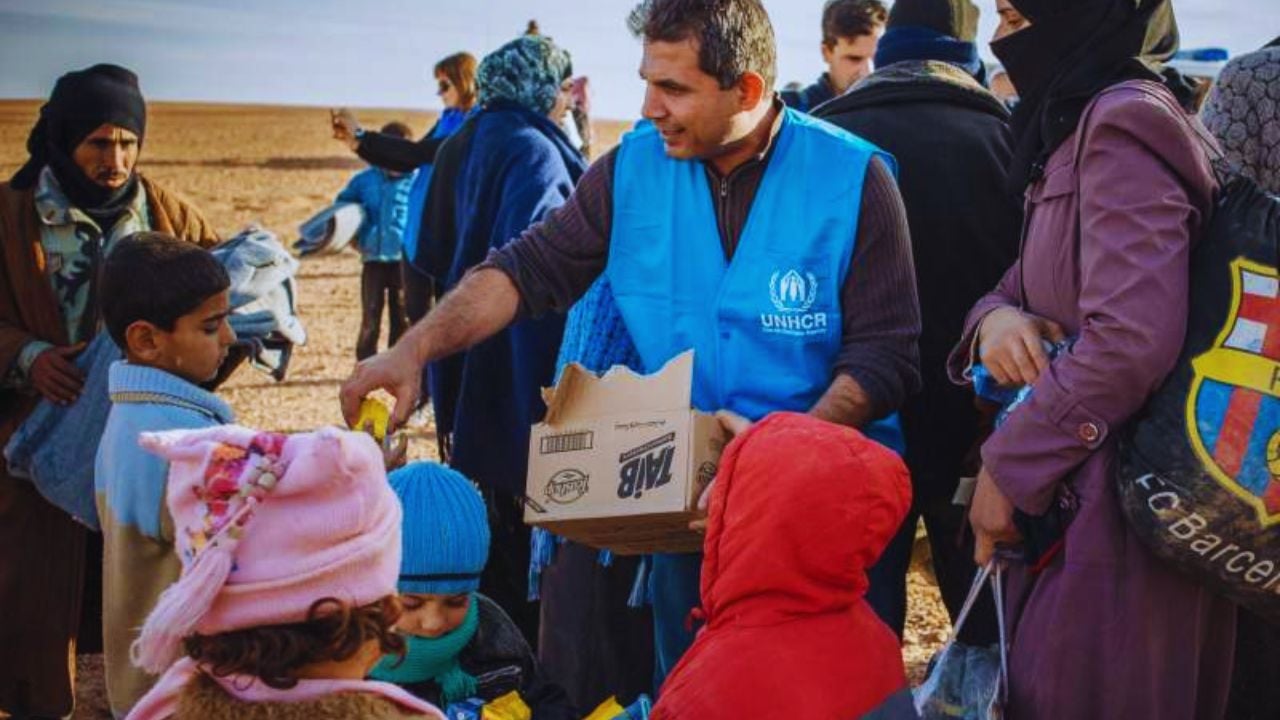
Why Consider a Career at UNHCR?
People often choose UNHCR careers driven by a sense of mission. It’s worth pausing to ask—why UNHCR, in particular? What can set work here apart from other humanitarian employers?
Global Reach and Humanitarian Impact
The UNHCR operates in over 130 countries and addresses some of the world’s most urgent displacement crises. Employees may support refugees on-site, develop policies at headquarters, or contribute remotely.
The scale of projects and cultural diversity often shapes a uniquely challenging environment. There’s something compelling about collaborating across borders for real-world results.
Variety of Career Paths
Not every position at UNHCR involves fieldwork. While many roles do place staff in countries with complex issues, there are also jobs in administration, IT, legal, and communications.
Some prefer technical roles; others thrive working directly with communities. This diversity means both humanitarian professionals and skilled specialists from other industries may find a suitable match.
Professional Development Opportunities
It’s an environment that encourages learning, though sometimes, perhaps, the pace feels rapid.
Staff have access to training, mentoring, and the chance to move between international assignments, supporting personal and career growth over time. Still, as with any large body, bureaucracy sometimes gets in the way of agility.
Where to Find UNHCR Job Vacancies
One might expect there to be just a single site with complete listings, but—perhaps frustratingly—recruitment spans several platforms.
The best-known resource is the official UNHCR Careers portal, but not every opportunity is listed there immediately. Staying aware of key sources is helpful for anyone actively searching.
UNHCR Careers Portal
The main entry point is the UNHCR job site. Here, users will commonly find:
- International Professional Jobs
- General Service and National Officer posts
- Consultancies, internships, and emergency rosters
Job details include duties, required experience, contract length, and work location. Filtering by function, location, and contract type can help tailor your search.
For the most current updates, signing up for their job alert emails provides timely notifications, which is especially handy given application deadlines can be tight.
United Nations Common System Sites
Because UNHCR operates within the broader UN structure, other vacancies might also be listed at the United Nations Careers portal, particularly for roles with cross-agency duties.
Specialized Job Boards and Partner Organizations
Sometimes, postings appear on external job boards that focus on humanitarian or international careers, such as ReliefWeb, Impactpool, or Devex.
Each has its own strengths, and users often find roles with approaching deadlines or less common specialties.
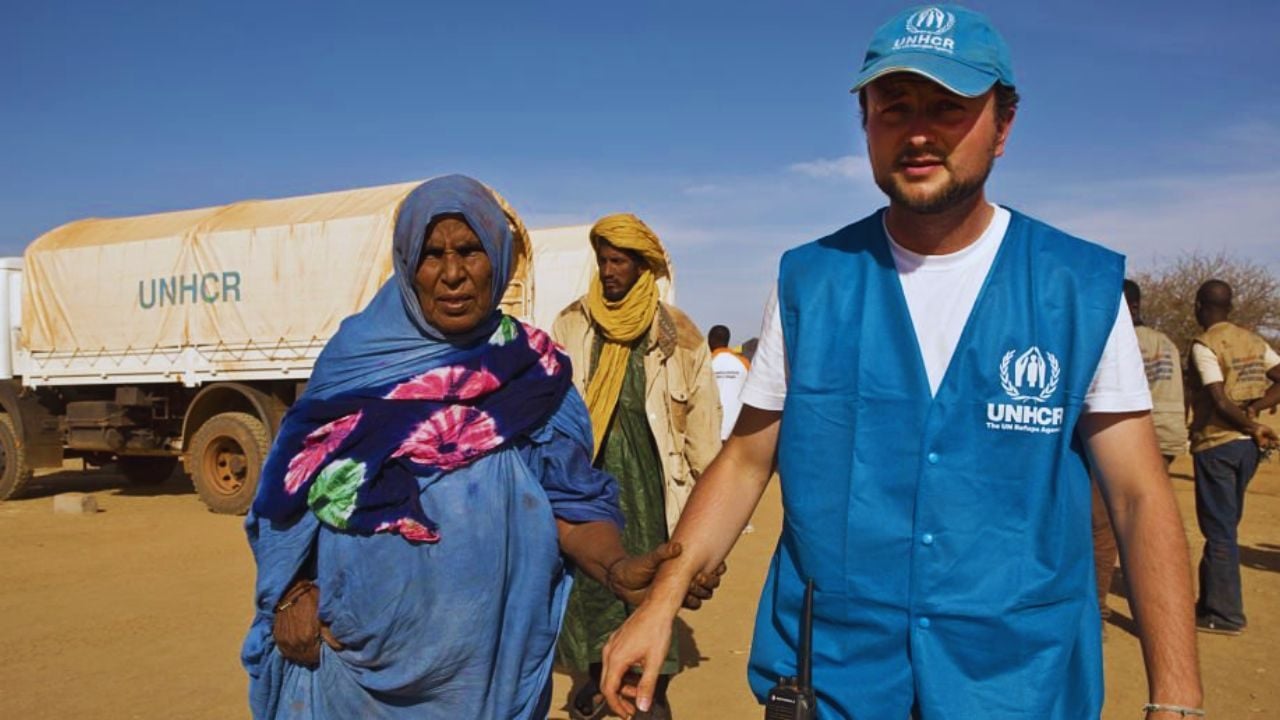
Types of Positions at UNHCR
Before applying, it’s wise to get a sense of the different roles on offer. The UN structure can sometimes be a little bewildering, with categories and contract types unfamiliar to those new to international organizations.
Professional and Field-Based Positions
These are usually internationally recruited, with requirements for mobility and relevant sector experience. Tasks may range from managing refugee camps to leading regional communications.
General Service and National Officers
General Service roles are often filled locally, providing essential administrative and operational support. National Officers work in their own countries, bridging local knowledge with the organization’s international goals.
Temporary Appointments and Consultancies
Short-term contracts or consultancies can be a foot in the door. These sometimes require less prior experience, making them accessible opportunities for newcomers—as long as you’re ready for a fast recruitment cycle and possibly less stability.
Internships and Fellowships
For students or recent graduates, internships or fellowships build sector knowledge and networks. The competition can be fierce, but having even a brief stint on your CV may help long after the contract ends.
Qualifications and Requirements
The minimum expectations tend to be pretty consistent—advanced degrees for professional roles, fluency in English (sometimes another UN language), and demonstrable commitment to UN values.
Still, there’s more flexibility than you might think if your experience is relevant.
- University degree relevant to the position
- Work experience—typically 2+ years for entry-level, 5+ for mid-level
- Language proficiency, primarily English and/or French
- Interpersonal and analytical skills
Besides, motivation and adaptability can weigh heavily, especially for field roles where expectations can shift quickly.
How to Apply: Step-by-Step
Applying for UNHCR jobs today is largely online. The process is more detailed than for typical positions, which sometimes discourages first-timers. Patience pays off, though.
1. Registering and Completing a Profile
Registration involves setting up a profile on the UNHCR Careers page. It’s essential to complete all sections, as incomplete profiles may not be considered at later stages.
2. Preparing a Tailored Application
Each vacancy requires its own online application, typically with a CV, cover letter, and answers to eligibility questions. This is not the moment for generic content.
Incorporating keywords from the job ad, reflecting on your own achievements—and, perhaps, even highlighting a time you faced unexpected setbacks—demonstrates both fit and authenticity.
3. Submitting Required Documents
Supporting documents, such as diplomas or references, may be requested. Occasionally, these requests arrive much later in the process, which surprises some applicants. Keeping digital records handy ahead of time is helpful.
4. The Assessment and Interview
Qualified candidates might be invited for written assessments, interviews (often structured or competency-based), or language tests.
Not all roles follow the exact same format, sometimes leading to uncertainty and, admittedly, anxiety about what to expect.
5. Post-Interview Steps
There might be additional checks, such as reference verification or background investigations. Sometimes, timelines are unclear, resulting in longer waiting periods than applicants anticipate.
Tips to Strengthen Your Application
The competition for UNHCR vacancies can be stiff. A few practices may improve your odds, even if you don’t feel you tick every box at first glance.
- Highlight Impact: Where possible, showcase tangible outcomes in previous work, especially for impact in humanitarian settings or challenging environments.
- Customize: Tailoring your language to mirror the vacancy’s requirements can help automated shortlisting and impress human reviewers.
- Continuous Learning: Certifications or courses relevant to humanitarian principles, project management, or intercultural communication can demonstrate ongoing growth.
- Network: Reaching out to current or former UNHCR staff (perhaps via LinkedIn) sometimes yields insights into priorities for the team or division in question.
It’s natural to feel uncertain, especially after submitting an application and hearing nothing for weeks. Staying proactive—perhaps applying to several roles with overlapping qualifications—can keep momentum going.
Legal and Policy Considerations
Because UNHCR is a UN body, employment conditions may differ from conventional jobs. Topics like taxation, visas, or employment rights may vary widely by location and type of contract.
Some roles are exempt from national taxation, while others are subject to local labor laws. Familiarizing yourself with these nuances early can prevent surprises down the road.
Conclusion
Building a meaningful career at UNHCR starts with understanding available vacancies, role requirements, and the application process.
With a focused resume and clear motivation, candidates can pursue work that supports global humanitarian impact while developing valuable professional skills.