
Pursuing a career at Shell often appeals to those drawn to international energy companies with stable roles and long-term growth potential.
If you are someone considering work in a global business, opportunities at Shell may catch your eye—not just for technical roles, but also in support functions, sustainability, and graduate programs. This article aims to guide readers interested in jobs at Shell, whether you are switching fields, finishing studies, or seeking advancement within the oil and gas sector.



Here, some confusion can arise about application steps, resume dos and don’ts, and what it really takes to get past the hiring process. Shedding light on these areas might help you move more confidently.
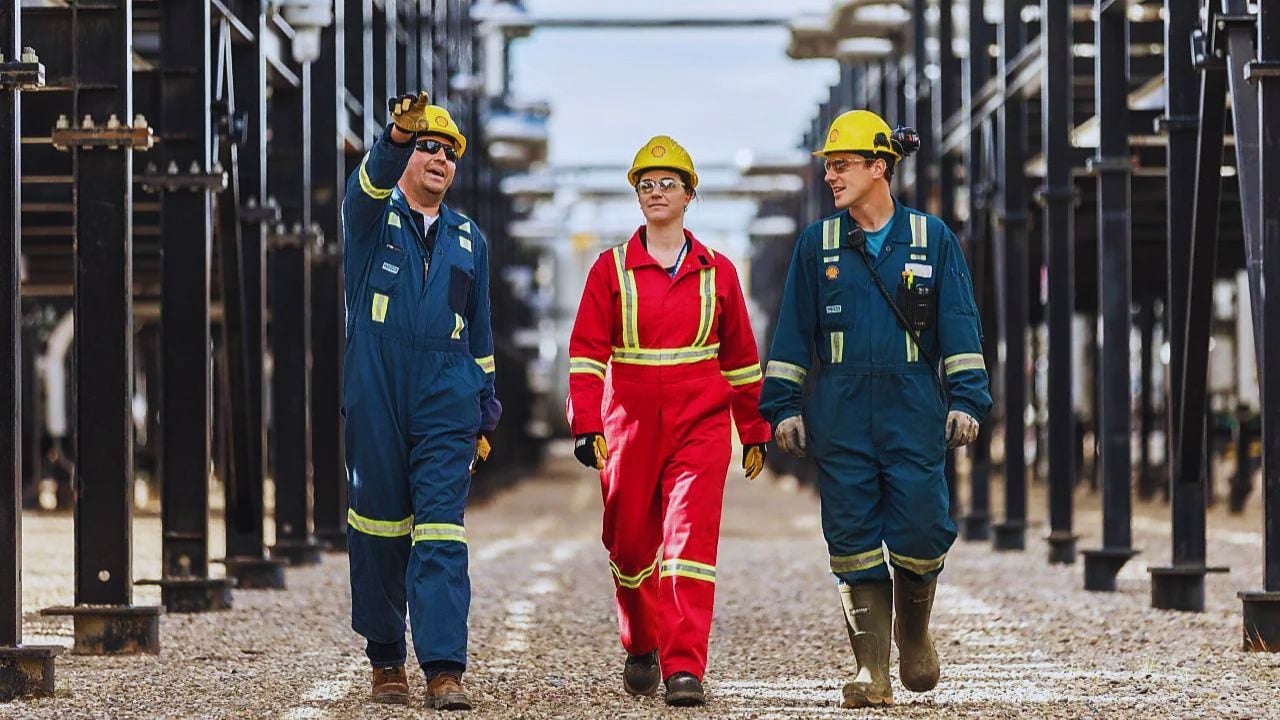
Why Careers at Shell Stand Out in the Energy Sector
Shell’s global reputation isn’t built on size alone. It rests on a foundation of innovation, health and safety values, and long-existing programs for skills development.

Some candidates might focus on Shell’s presence in renewable energy, while others are drawn to their expansive upstream and downstream operations.
International Scope and Local Presence
Jobs at Shell appear in offices, refineries, technology centers, and even in field-based locations worldwide. This blend of global reach and local grounding seems appealing to job seekers who value variety.
Commitment to Diversity and Inclusion
Shell emphasizes its inclusive culture, aiming to create environments where different backgrounds are welcomed. The real experience may sometimes feel different, but commitment at the policy level is clear.
Long-Term Professional Growth
Many employees enjoy Shell’s structured pathways, from internships and graduate schemes to mid-career training and international secondments.
Understanding Shell’s Job Categories and Opportunities
Potential applicants may become overwhelmed by the range of opportunities available. Shell typically divides job roles into a few broad categories.
Technical and Engineering Roles
Think of positions for chemical, mechanical, or petroleum engineers. These may involve process design, project management, safety analysis, or site operations.
Business and Corporate Functions
Opportunities abound in finance, HR, communications, supply chain, and digital technology. Many of these roles support core operations.
Graduate, Internship, and Early Career Programs
Shell is well known for competitive graduate tracks and summer internships. Though entry isn't guaranteed, performance in these programs sometimes leads to permanent offers.
Sustainability, HSSE, and Environmental Roles
Growing emphasis on sustainability draws applicants interested in environmental stewardship or health, safety, security, and environment (HSSE) policy.
How to Find Jobs at Shell
Locating open roles at Shell is more straightforward than some imagine, but a few practical strategies can make the search easier.
Shell’s Official Careers Portal
The most reliable and up-to-date source remains the Shell Careers website. Applicants could browse opportunities by location, discipline, or career level.
Professional Networks and Job Boards
Openings at Shell often appear on sites like LinkedIn and Glassdoor, which sometimes highlight roles even before they're widely advertised.
University Partnerships and Recruitment Events
For students and recent graduates, participating in campus events and career fairs in partnership with Shell may provide unique access or insights.
The Shell Job Application Process Explained
The process is generally structured, but actual steps can vary by region, business unit, or job type. Here’s a general outline of how applications usually unfold.
Online Application Form
Candidates start by creating a profile on Shell’s recruitment portal and selecting jobs of interest. It’s common to upload a CV, attach a cover letter, and answer eligibility questions.
Online Assessments
Shell often uses online tests to evaluate cognitive abilities and work style. Many find these challenging. It’s not always clear what scores are needed to progress.
Video Interview or Assessment Centre
Next, some may be invited to record one-way video answers, or for group-based assessment centers—either virtual or in-person.
Final Interview Rounds
Successful candidates usually participate in one or more interviews with hiring managers, often exploring technical fit and cultural alignment.
Tips for Standing Out During Your Application
Competition for Shell jobs can be fierce, but a few suggestions might give your application an edge.
- Tailor your CV to highlight experience relevant to the job. General resumes tend to get overlooked.
- Research Shell’s core values and recent business priorities. Mentioning these may resonate positively in interviews or cover letters.
- Prepare for behavioral interviews. You might be asked about past teamwork, problem-solving, or leadership—clear examples work best.
- For technical roles, revising core concepts in your field—or even basic engineering math—can help during tests or case studies.
- Some recommend reaching out to current employees on LinkedIn to understand day-to-day realities, or to double-check organizational fit.
What to Expect After You Apply
Response times can vary. Automated application acknowledgment is prompt, but additional steps may take weeks, depending on region and job type.
Interview Feedback
Sometimes Shell provides feedback after interviews, though not always. Keeping expectations realistic about timing may offset some frustration.
Background Checks and Offer
Conditional offers usually require successful background screening. It's worth noting this can involve checking work history, education, and sometimes references.
Legal and Tax Considerations When Working at Shell
Shell operates in over 70 countries, so employment policies may differ widely. If moving abroad or considering expatriate roles, understanding these differences matters.
Employment Contracts
Reviewing all clauses—especially on working hours, relocation, and benefits—should be a priority before accepting a role.
Income Tax Regulations
Tax rules can be complex, particularly for expats. Seeking advice from a tax advisor in your new country might prevent future headaches.
Work Permits and Residency
Sponsorship is occasionally possible for some international hires, though not all positions offer this. Requirements may depend on visa rules and business needs.
Frequently Asked Questions About Jobs at Shell
Uncertainty is common. Here are quick clarifications on topics that regularly come up:
- Does Shell hire graduates without direct oil & gas experience? Yes, especially in its graduate schemes.
- Are remote or hybrid jobs possible? Increasingly, some positions have remote or hybrid options.
- Do all Shell jobs require relocation? Not all, though flexibility can open up more options.
Conclusion
Building a career at Shell starts with understanding the application process and preparing each step carefully. A strong application should show relevant skills, safety awareness, adaptability, and interest in long-term growth.
By reviewing roles, tailoring your resume, and approaching interviews with confidence, you can pursue stable opportunities with clearer direction.