
For many, the thought of working as a firefighter represents not just a job but a meaningful way to contribute to the wellbeing of the community.
This guide explores the steps and considerations associated with pursuing a career in firefighting, helping those who feel drawn to this profession understand the path forward.
If you’re curious about the requirements, day-to-day life, and broader impacts of becoming a firefighter, this article may provide the insight you need.
Why a Career in Firefighting Appeals to Many
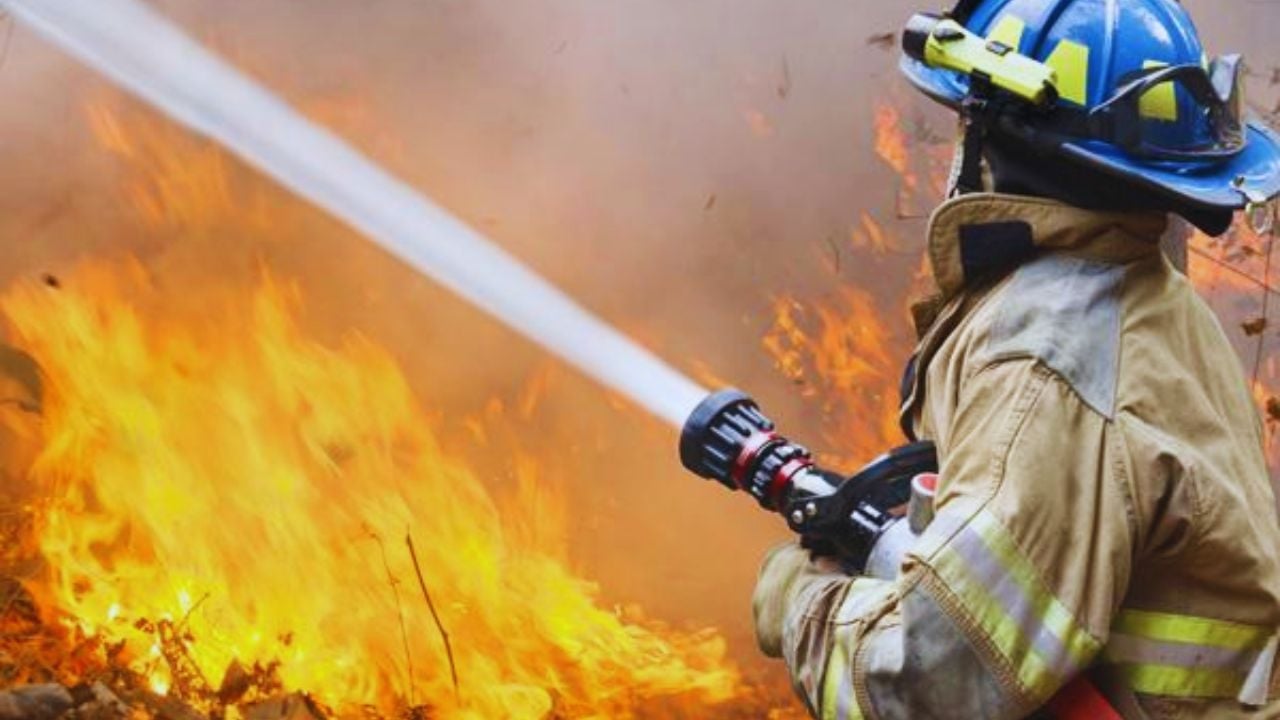
It’s easy to see why firefighting inspires so much public respect. Beyond emergency response, firefighters play a pivotal role in public safety and local outreach.
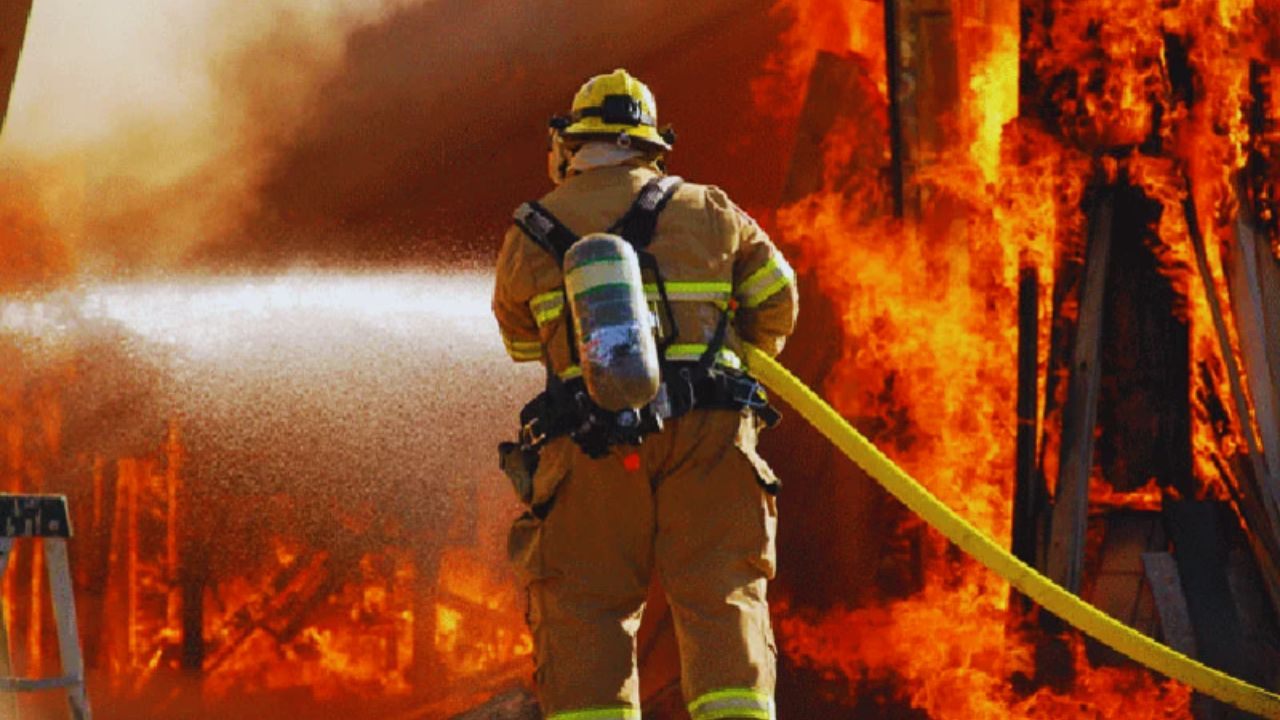
The profession offers something more than financial rewards—it brings the chance to make a direct positive impact on people's lives, sometimes during their most vulnerable moments.
There’s also a sense of camaraderie and teamwork that makes each day feel meaningful, though naturally, the job can be demanding, both physically and emotionally.
Minimum Requirements and Qualifications
The journey to becoming a firefighter typically starts with meeting a few basic qualifications. While requirements can vary by region and department, some common expectations include:
- Being at least 18 years old
- Possessing a high school diploma or equivalent
- Holding a valid driver’s license
- Demonstrating physical fitness and excellent health
- Passing a criminal background check
Some fire departments may require additional prerequisites, such as completing specific certifications or courses before applying.
Volunteering with a local department might offer a clearer idea about what’s expected and whether the environment feels right for you.
The Pathway: Steps to Becoming a Firefighter
The process of entering the fire service is methodical and, in some ways, competitive. Not everyone who dreams of the job will make it, but determination and preparation certainly help.
Step 1: Research Local Fire Departments
Different departments may set varied rules, so looking up local policies before starting out could avoid wasted effort. Department websites or community information sessions often provide the most up-to-date guidance.
Step 2: Educational Preparation
While a high school education is generally sufficient, some candidates pursue postsecondary courses related to fire science, emergency medicine, or public safety. These classes can offer a stronger foundation and sometimes a hiring edge.
Step 3: Physical and Medical Screening
Potential firefighters are expected to undergo rigorous physical tests, including strength, endurance, and agility assessments. Medical evaluations typically check for vision, hearing, cardiovascular health, and drug screening.
Step 4: Firefighter Training Academy
After clearing initial stages, recruits often attend a fire academy. Here, the training includes fire suppression techniques, equipment handling, rescue procedures, and fire prevention education.
This is a crucial stage in preparing to handle emergencies safely and effectively.
Step 5: Certification Exams
Most areas require passing a state or national written exam that tests your understanding of firefighting theory, safety, and emergency protocols. Achieving certification, like NFPA Firefighter I or II, strengthens employability.
Step 6: Application and Interview
Once certified, applicants usually submit their documents, undergo further interviews, and sometimes participate in additional practical assessments or psychological evaluations.
Some may wait months before an opening becomes available, requiring patience and persistence.
Essential Skills and Qualities for Success
Technical skills are essential, but success as a firefighter may rely just as much on personal attributes.
People who thrive in high-pressure situations and can keep calm when things are unpredictable will likely do better in this role. Qualities such as adaptability, empathy, problem solving, and strong communication are highly valued.
- Physical Fitness: Daily duties can be demanding, from carrying equipment to dragging hoses and rescuing individuals.
- Teamwork: Cohesion with colleagues is crucial during operations; trust and reliability go a long way.
- Continuous Learning: The field evolves, so willingness to keep up with technology and new safety standards is important.
Firefighter Roles and Specializations
What a firefighter does may extend far beyond putting out fires. Once qualified, it’s common to branch out into niches such as:
- Emergency medical response
- Hazmat team operations
- Technical rescue (like high-angle or water rescues)
- Fire inspection and prevention education
Some firefighters move into specialist tracks or move up the ranks, perhaps taking on leadership roles. The variety allows for a dynamic and evolving career.
Opportunities for Community Impact
Many might not realize how community-focused firefighting can be. Public education programs, youth outreach, disaster preparedness workshops, and school visits are often just as critical as emergency responses.
Firefighters act as trusted community figures, making them key in promoting public safety and awareness.
Balance is needed—the intense focus on emergencies can occasionally overshadow the softer, yet vital, community side of the job. That duality is, in my opinion, what makes firefighting such a unique career path.
Challenges and Realities in the Profession
Although the sense of service brings satisfaction, the demands are palpable. There are risks, odd hours, exposure to traumatic events, and physical exhaustion. Not everyone finds that easy to manage in the long run.
Peer support networks are common within firehouses, partly because it’s not always easy to “leave work at the station.”
Ongoing wellness programs, including mental health initiatives, are increasingly prioritized by departments. Talking about these realities openly is helpful, as the job isn’t all heroics—sometimes, it’s a test of endurance and reflection.
Ongoing Education and Career Development
Many firefighters pursue ongoing certifications and may even work toward associate or bachelor’s degrees in fire science or emergency management.
Career advancement can involve moving into officer or chief roles, training new recruits, or specializing in fire investigation.
Opportunities do exist both in rural volunteer departments and large urban settings—sometimes it’s simply a matter of seeking them out and remaining open to growth.
Legal and Safety Considerations
Firefighting is tightly regulated for both public safety and firefighter protection. Adhering to labor codes, safety standards, and departmental policies is required at all stages.
Those considering this path can benefit from reviewing local regulations—sometimes with input from a career counselor or by consulting with active service members.
This cautious approach helps avoid missteps and ensures applicants are fully prepared for the obligations that come with the badge.
Recommended Resources and Next Steps
Firefighting organizations like the National Fire Protection Association (nfpa.org) or local fire departments often provide resources for aspiring candidates.
Exploring their guides and informational sessions can offer current best practices. For more detailed information, visiting official channels rather than unofficial forums may reduce confusion and ensure accuracy.
Conclusion
Becoming a firefighter requires training, discipline, physical readiness, and a strong commitment to helping others.
By understanding the steps, requirements, and responsibilities early, candidates can prepare with confidence. For those drawn to teamwork and public service, firefighting can become a meaningful career with lasting community impact.