
The gig economy offers new ways to earn, and driving for Amazon Flex is among the most flexible options.
This guide walks through how to join Amazon Flex, maximize profits, and navigate real challenges.
If you're interested in side income, hourly flexibility, and working in your city on your terms, this resource is for you.
What Is Amazon Flex?
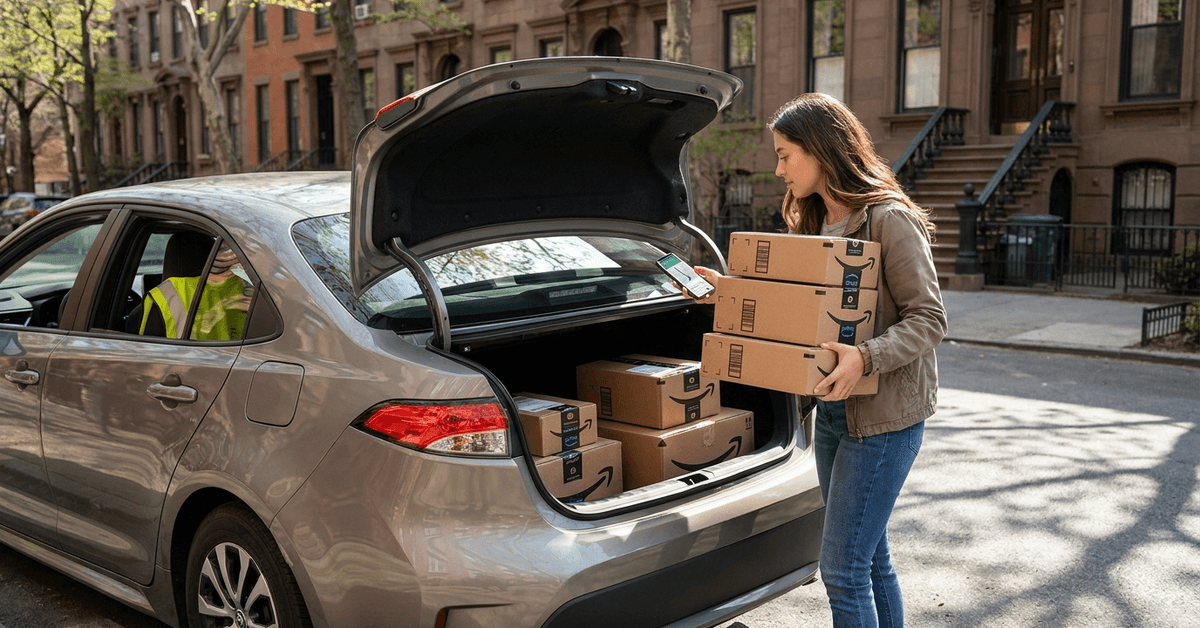
Amazon Flex is a program that pays individuals to deliver Amazon packages using their own vehicles.
Drivers pick up orders from local stations and deliver to customers' doorsteps, usually in blocks of time.
Where Amazon Flex Operates
Amazon Flex is available in many major US cities and expanding globally.
- New York City
- Los Angeles
- Chicago
- Dallas
- Atlanta
- Seattle
International markets include cities like London, Berlin, and Tokyo, though availability may differ.
Requirements to Become an Amazon Flex Driver
Before applying, drivers must meet several basic eligibility and technology requirements. Specific rules can vary by location, vehicle type, and the delivery services available in each market.
Basic Qualifications
Applicants generally need to be at least 21 years old and hold a valid driver’s licence. They must also have access to a qualifying vehicle, which is commonly a midsize sedan or larger for standard package routes.
A compatible Android or iOS smartphone is required because drivers use the Amazon Flex app to select blocks, follow routes, scan packages, and confirm deliveries.
Background Check and Documents
Amazon Flex applicants are typically required to complete identity verification and a background screening before they can begin delivering. They may also need to upload documents such as a driver’s licence, vehicle insurance, and other requested information.
Signing Up for Amazon Flex
The registration process is completed primarily through the Amazon Flex app. Applicants create or access an Amazon account, enter their personal details, consent to screening, and submit the necessary documents.
Selecting a Service Area
Drivers choose an available city or delivery region during registration. Selecting a nearby area can reduce commuting costs, although availability depends on local demand and open positions.
Understanding Flex Blocks
Amazon Flex work is offered in scheduled shifts called blocks. Drivers claim available blocks through the app, and each block includes an estimated duration and payment amount.
Blocks commonly last between two and four hours, although schedules can vary by delivery type and region.
Tips for Securing Blocks
Enabling notifications and checking the app regularly can help drivers find openings. Afternoons, weekends, holidays, and other busy periods may provide additional opportunities.
Earnings and Payment
Drivers are generally paid a fixed amount for each accepted block. Rates may range from $18 to $25 per hour, depending on the city, demand, route type, and time of day.
Payments are typically deposited directly into the driver’s bank account according to the available payment schedule. Actual earnings should be evaluated after fuel, maintenance, insurance, and other operating expenses.
Types of Amazon Flex Deliveries
Amazon Flex offers several delivery categories, and each one comes with different routes, pickup locations, and time expectations. Understanding these options can help drivers prepare their vehicles and choose blocks that fit their preferences.
Amazon.com Orders
Amazon.com blocks usually involve collecting packages from a delivery station and completing multiple stops. These routes may include boxes of different sizes and can cover wider residential or commercial areas.
Prime Now and Amazon Fresh
Prime Now and Amazon Fresh deliveries often include groceries, household essentials, and time-sensitive orders. Routes are usually concentrated within smaller neighbourhoods, but drivers may need to handle bags carefully and meet tighter delivery windows.
Store Orders
Store-order blocks require drivers to collect purchases from participating local retailers instead of Amazon warehouses. Pickup instructions and package types can vary depending on the store.
Tools and Useful Apps for Drivers
Navigation and tracking tools can make delivery work easier. Google Maps helps drivers avoid traffic, while Gridwise can track mileage and compare platform earnings. MileageIQ is useful for maintaining organized mileage records for tax purposes.
Maximizing Earnings and Efficiency
Earning more with Amazon Flex depends on choosing delivery blocks strategically and controlling operating costs. Careful scheduling, efficient routes, and consistent expense tracking can help drivers use their time more effectively and protect their overall profit.
Legal and Tax Considerations
Amazon Flex drivers should understand the legal and financial responsibilities that come with delivery work. Because drivers generally work as independent contractors, they are responsible for managing their own taxes, expenses, insurance, and business records.
Independent Contractor Status
Amazon Flex drivers are typically classified as independent contractors rather than traditional employees. This means they may receive a Form 1099 in the United States if their earnings meet applicable reporting requirements.
Independent contractors usually do not receive the same protections or benefits as regular employees.
Drivers are responsible for planning their schedules, maintaining their vehicles, and covering costs connected to delivery work. Requirements may differ by state, so reviewing local labour and contractor rules is important.
Income Reporting and Deductible Expenses
Delivery income generally needs to be reported when filing taxes. Drivers should keep accurate records of payments, mileage, parking fees, tolls, mobile data, and other work-related expenses.
Some expenses may qualify for tax deductions, depending on current rules and individual circumstances.
Mileage-tracking tools such as MileageIQ can help organize driving records. A qualified accountant or tax professional can provide guidance based on your specific situation.
Support and Common Challenges
Delivery work can offer flexibility, but drivers may face practical problems during routes. Preparing for common challenges can make each block easier to manage.
Common Difficulties
Drivers may occasionally experience technical issues with the Amazon Flex app, including navigation errors, delayed updates, or problems confirming deliveries.
Parking restrictions, apartment access, locked buildings, and unclear customer instructions can also create delays.
Contacting Customer Support
Many issues can be reported through the Amazon Flex app. Drivers can contact support for help with delivery problems, customer access, app errors, or route-related questions.
Keeping screenshots, delivery details, and accurate notes may help support teams review the situation more efficiently.
Comparison With Other Gig Platforms
Drivers often consider alternatives like Instacart, DoorDash, and Uber Eats for additional flexibility.
Each platform differs in pay structure, workload, and requirements, so comparing options helps maximize income.
Conclusion
Amazon Flex offers a practical path for earning extra income with control over your schedule and workload.
It is essential to understand local demand, track expenses, and stay organized to get the most out of the platform. Success depends on your adaptation to changing demand, exploring productive tools, and focusing on safety and efficiency every day.