
For many frequent Amazon shoppers, choosing the right payment method can make a real difference. An Amazon credit card is often seen as a practical tool to earn rewards, simplify checkouts, and manage online spending.
This guide explores the essential details—ideal for anyone curious about these cards, whether you’re shopping regularly or just looking to better understand credit options.



If maximizing value and making informed choices matter to you, this walk-through should offer meaningful insight.
Understanding Amazon Credit Card Options
An Amazon credit card usually refers to one of three offerings designed to cater to various shopper profiles. These include cards issued in partnership with major banks, each tailored for specific needs and spending characteristics.
It's not always obvious which card might suit a given lifestyle, but knowing the types is a smart place to begin.
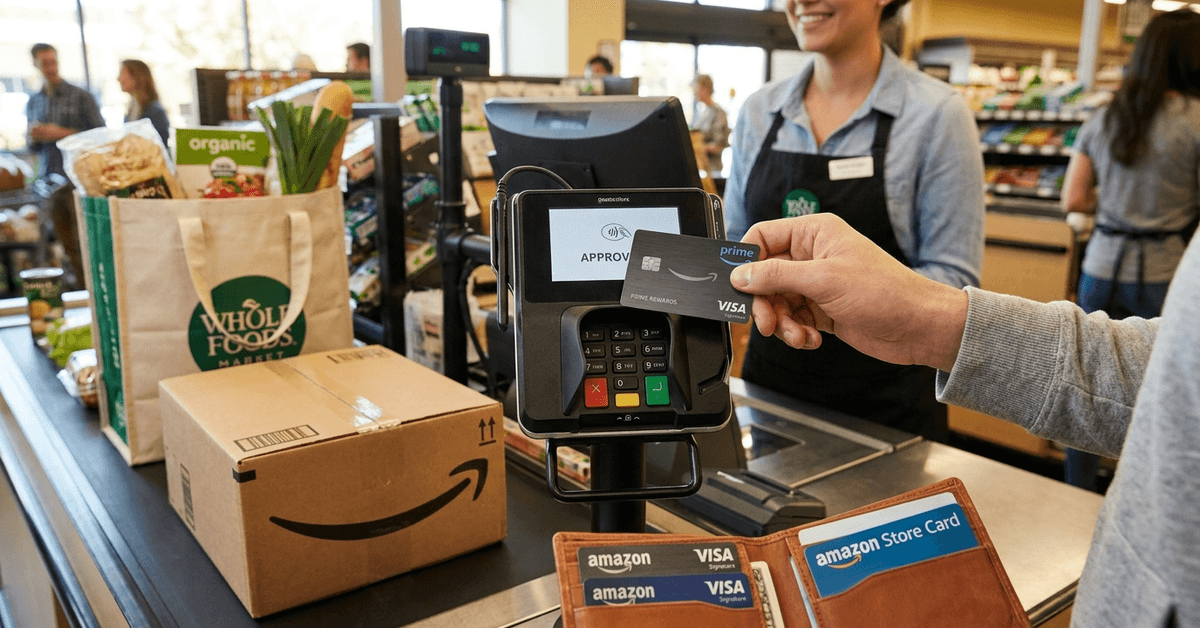
Amazon Prime Rewards Visa Signature Card
This card stands out for those already subscribed to Amazon Prime. Notably, it features higher cashback rates on Amazon purchases, often around 5%.
In-store spending at Whole Foods and exclusive Prime offers add further potential, though eligibility is tied to an active Prime subscription.
Amazon Rewards Visa Signature Card
For shoppers without Prime, the standard Amazon Rewards card still offers competitive benefits, including up to 3% on Amazon and Whole Foods purchases. While slightly less generous, it remains a commonsense choice if subscription fees aren't in the cards.
Amazon Store Card / Amazon Secured Card
Intended primarily for use on Amazon.com, the store card gives special financing options on larger purchases. An additional secured version provides a route for those building or rebuilding credit.
These cards aren't co-branded with Visa or Mastercard—so they're generally limited to Amazon's own ecosystem.
Key Benefits of Amazon Credit Cards
The perks that come with Amazon credit cards may be clear on paper, but understanding how they fit into everyday life can take some real consideration.
Here's what most cardholders stand to gain, although personal circumstances will, of course, play a role.

Cashback and Rewards Rates
Perhaps the most talked-about benefit is the cashback potential. Shopping on Amazon with the right card returns up to 5% in rewards—a perk that sometimes feels impressive, especially if online spending is a routine occurrence.
Flexible Redemption Options
Rewards points can typically be redeemed directly at checkout, so there's rarely a need to track codes or separate your rewards from your normal purchasing behavior.
However, some find redeeming for statement credits or gift cards more practical, depending on their goals.
Financing and Promotional Offers
Certain purchases, particularly larger ones, may qualify for special financing. This lets shoppers split payments over several months without immediate interest, assuming terms and deadlines are carefully followed.
No Annual Fee Structure
Most Amazon cards avoid annual fees, a feature that might tip the scale for anyone wary of high maintenance costs.
However, Prime-linked cards still require a paid Prime membership, which introduces a form of recurring expense that can be easy to overlook.
Security and Enhanced Protection
Cards come with standard security features, fraud protection, and sometimes travel insurance. These benefits may seem subtle day to day, but they can become invaluable during emergencies or disputes with unauthorized charges.
Exclusive Offers and Discounts
Occasional access to limited-time deals and early sale notifications adds a layer of appeal. While some users feel these extras come sporadically, they can provide genuine value for consistently engaged shoppers.
Eligibility Requirements and Application Insights
Not everyone can walk in and secure an Amazon credit card instantly. Approval depends on several criteria that most cards from major issuers consider.
Being aware of requirements—and possible alternatives—may help avoid common application mistakes.
Credit Score Considerations
Standard Amazon Visa cards usually require a fair-to-good credit score—often, 670 and above for the Prime Rewards card. If your credit history is limited or challenged, the secured or store card variant is worth considering, as it is often more accessible.
Income and Financial Background
Issuers commonly request details about income and existing debt. A steady financial record generally improves your approval odds, but sometimes it’s more about the overall picture than any single number.
Residency and Identity Verification
Applicants need to be US residents—most cards aren’t currently offered globally—and must provide proof of identity and, sometimes, their Social Security Number.
Occasional requests for supporting documentation can pop up, especially if something doesn’t match databases.
Prime Membership Status
Only those with active Prime subscriptions are eligible for the highest-earning cards. Sometimes people overlook this and wonder why the application isn’t progressing as expected. Prime status must be current both at application and while using the card to retain rewards rates.
Application Process: Steps and Considerations
The actual process for requesting an Amazon credit card is mostly digital and usually takes only a few minutes. Still, it makes sense to review what’s required and what applicants may expect along the way.
Prepare Required Information
Before starting, gathering your personal, financial, and employment details matters. Some find it surprising how often missed information causes delays or even rejections.
Online Application Walkthrough
Applicants usually begin at Amazon’s credit card hub, though applications ultimately route through issuer websites, such as Chase (for the Prime Rewards) or Synchrony Bank (for the store card).
The process is highly guided—perhaps a bit too guided for those who value flexibility—but mistakes can generally be corrected before submission.
Instant Approval vs. Further Review
Many applications deliver an instant decision—especially for those with clear credit histories. If manual review is needed, expect a short wait as additional checks are run, sometimes generating requests for clarifying documents or recent income statements.
Card Activation and Setup
Cards, once approved, arrive by mail and usually have an activation step—either by phone or online.
Some consumers report the activation interface is intuitive, but not particularly memorable. It’s a minor detail, but one that can be overlooked in the excitement of getting a new card.
Responsible Use—Best Practices for Cardholders
Getting the most from an Amazon credit card, without falling into common traps, calls for thoughtful habits. No strategy is foolproof, but small efforts often help avoid expensive missteps.
Budgeting Purchases
Because it’s easy to overspend online, maintaining clear monthly budgets matters. Having a rewards card may encourage more shopping—it’s something several users have mentioned online. So restraint counts, perhaps more than ever.
Paying Balances Promptly
The most valuable cashback rates are quickly erased by interest fees. By paying off the full statement balance each cycle, you preserve rewards and sidestep unnecessary charges.
Monitoring Account Activity
Checking statements for errors or unauthorized purchases provides an extra layer of security. Many find the Amazon and issuer apps useful for real-time alerts and overview of spending trends.
Redeeming Points Strategically
It may be tempting to use points right away, but holding off for larger purchases or ideal sales periods could improve value. That said, some prefer simple, frequent redemptions—there’s really no universal rule here.
Understanding Fees and Terms
Reading the fine print is admittedly tedious, but because promotional APRs and balance transfer fees vary, a bit of caution can prevent long-term frustration.
Potential Drawbacks and What to Watch Out For
No card is perfect, and Amazon’s lineup brings a few trade-offs. Recognizing limitations and occasional frustrations can help set realistic expectations.
Limited Acceptance on Store Card
The Amazon Store Card isn’t accepted outside of Amazon’s ecosystem. For those seeking a “one card fits all” solution, this is a real limitation to keep in mind.
Variable Reward Categories
Occasionally, reward rates and associated categories shift. What applied at launch may change—sometimes for the better, sometimes not. Regularly reviewing updates can help sidestep disappointment.
APR and Penalty Fees
Interest rates can be relatively high compared to basic credit cards. Late payments, even by a single day, might result in penalty APRs or loss of promotional benefits. Some people have mentioned surprise at how quickly charges can accumulate.
Effect on Credit Score
Applying can create a hard inquiry on your credit report, temporarily impacting your score. Keeping utilization under control and avoiding missed payments remains crucial for steady credit health.
Popular Alternatives and Comparison
Some users wonder if an Amazon credit card is the best fit, or whether other reward cards might serve them better. Comparing popular alternatives may help clarify the differences.
- General Cashback Cards: Some cards offer flat-rate rewards (1.5%–2%) on all purchases, adding flexibility if Amazon isn’t your only focus.
- Store-Specific Credit Cards: Large retailers like Walmart or Target offer similar cards, which may compete well for everyday needs, depending on shopping patterns.
- Secured Credit Cards: For credit-building, secured Visa or Mastercard credit lines can be more widely accepted and may offer modest rewards or perks.
Legal, Privacy, and Tax Considerations
Personal finance decisions often intersect with regulations and privacy. Though usually straightforward, occasional quirks or lesser-known rules can crop up.
Data Protection and Privacy
Amazon and its card partners follow major data protection policies, but users may want to review specific privacy statements for both Amazon and their card issuer. Opting out of certain marketing communications is possible, though instructions are sometimes buried in lengthy disclosures.
Card Reporting to Credit Bureaus
Account activity is generally reported to major credit bureaus, supporting credit-building for responsible users. However, missed or late payments can harm scores—occasionally, people are surprised to see their balance reported even just a few days late.
Rewards and Taxes
Rewards, credits, or bonuses are usually not treated as taxable income for personal use, but exceptions can exist. Business cardholders or those redeeming unusually high benefit amounts should consider consulting a tax professional.
Tips for Better Amazon Card Management
Small decisions can help protect your rewards and credit health.
- Match the card to your needs.
- Confirm Prime-related costs.
- Follow financing deadlines.
- Watch changing reward rates.
- Check account activity often.
Conclusion: Choosing With Your Spending in Mind
Amazon credit cards offer different options for shoppers and credit builders. Their value depends largely on where and how often you spend.
High interest and restricted card use may outweigh the available rewards. Review your budget, eligibility, and preferred benefits before submitting an application.